For homes
We dry houses after leaks, storms, and appliance failures. You get daily readings and a clear end date.
- Burst pipe in laundry room
- Slab leak under flooring
- Storm water in attic
When a pipe bursts or a storm pushes water into your home, dehumidification services Azle TX remove the moisture that extraction units leave behind. We serve homeowners, landlords, and business owners across Tarrant County who need their space dry, safe, and back to normal. The longer damp air sits, the deeper mold grows into drywall and wood. We bring commercial-grade equipment and a moisture meter to every job, so you know exactly when your property is dry.
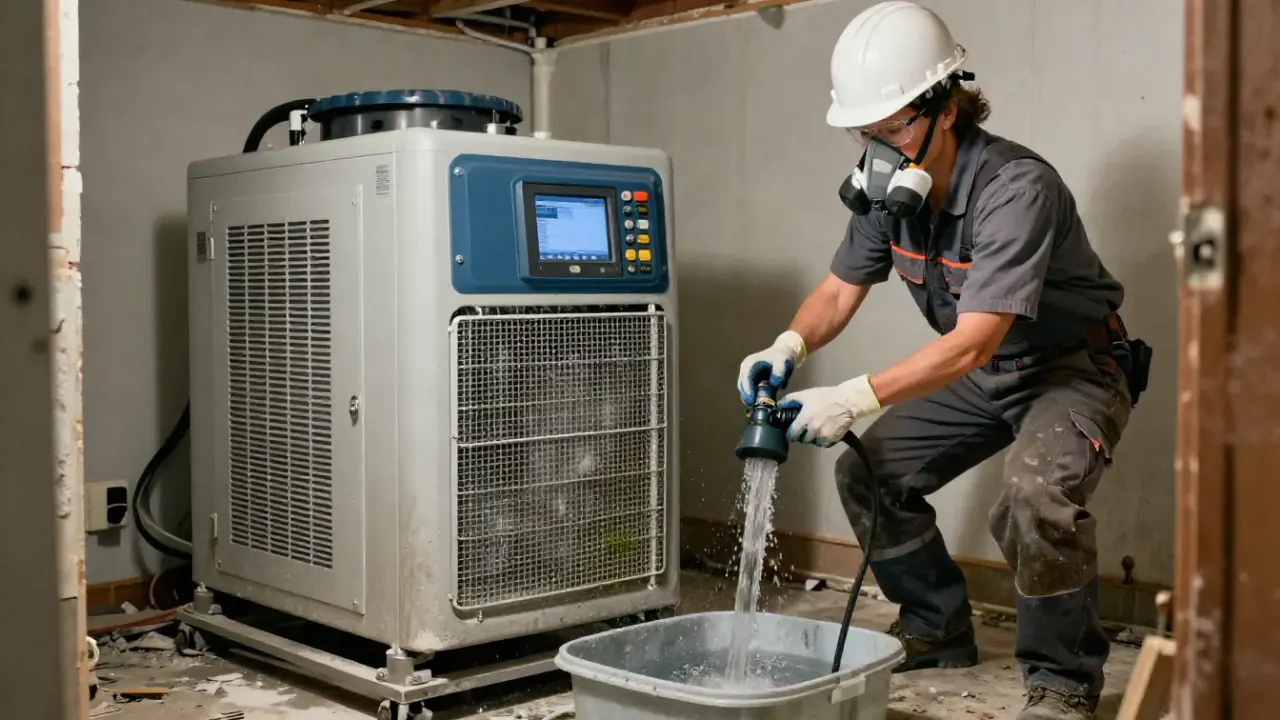 Moisture mappingDaily readingsEquipment sizing
Every dehumidification job starts with an inspection and ends with a documented dry standard. Here is what is covered in a standard scope. If your job needs additional services like mold remediation or reconstruction, we will tell you upfront and price it separately.
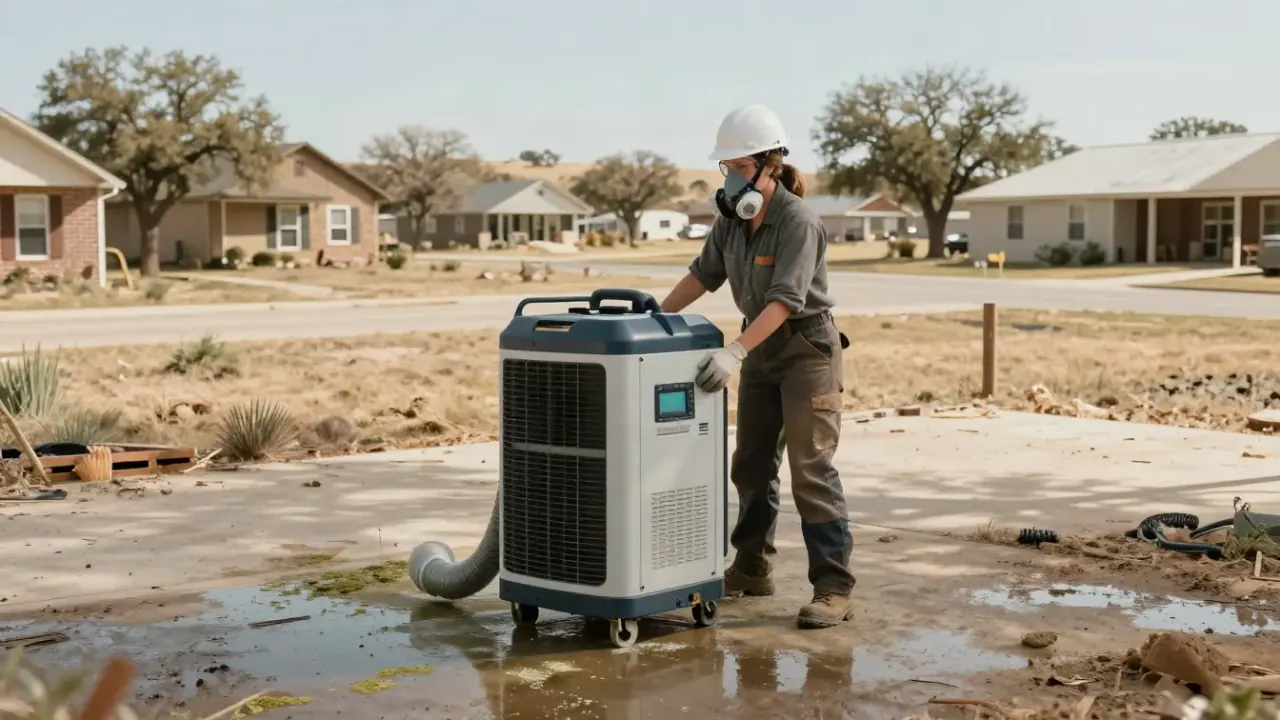
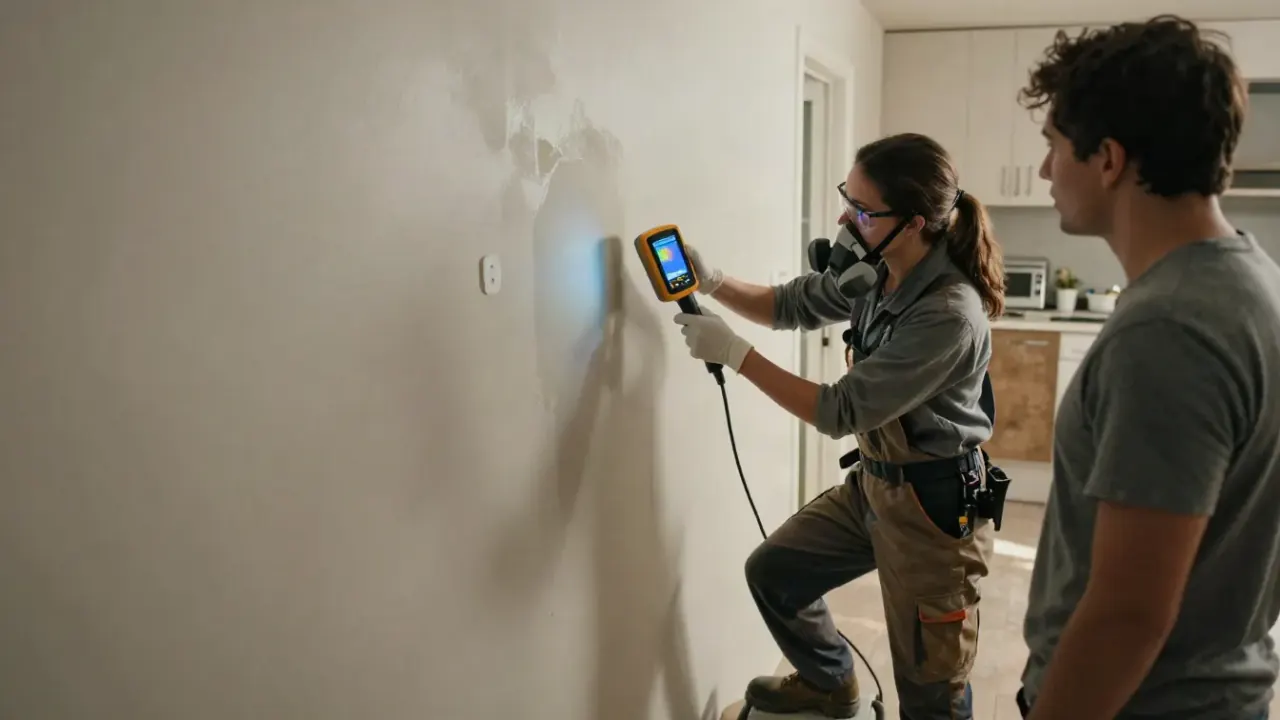
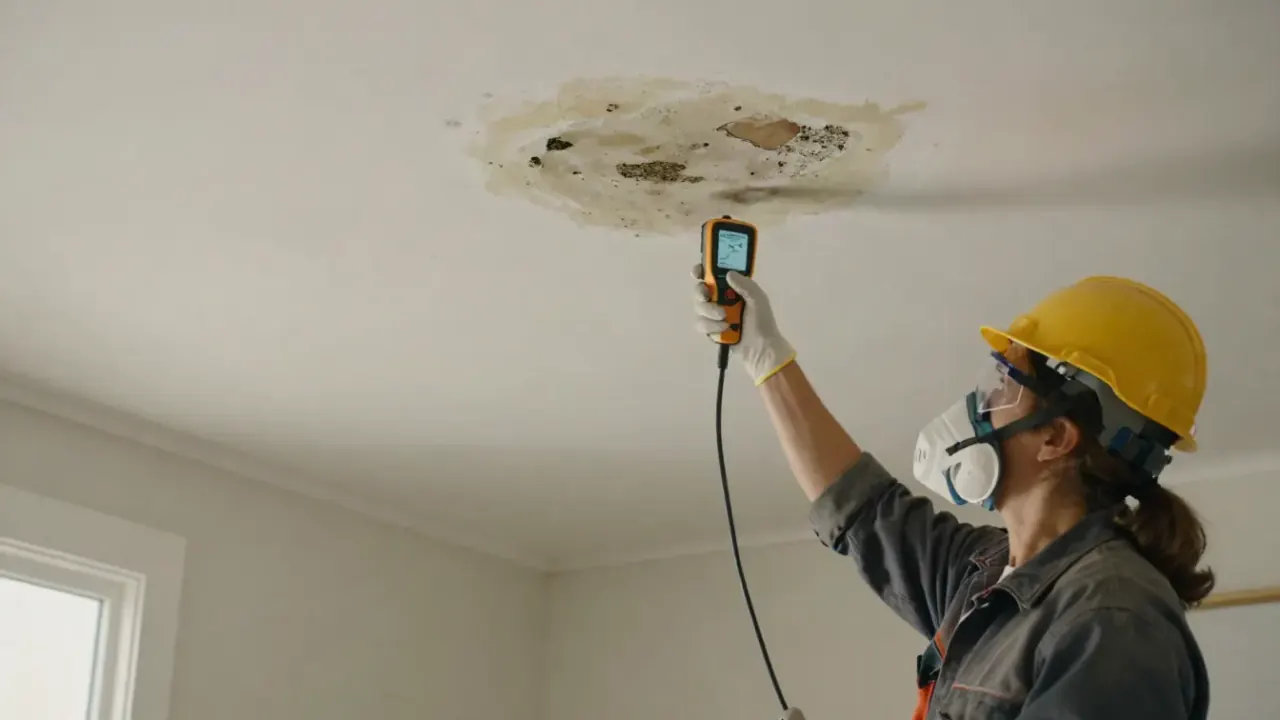
We use a moisture meter, thermal imaging camera, and hygrometer to map wet areas and establish a baseline. This tells us exactly where the water went and how much equipment the job needs.
We position commercial dehumidifiers and air movers to create a drying system. Equipment is sized to the cubic footage of the affected area, not pulled from a one-size-fits-all trailer.
We return each day to log moisture content and humidity readings. Equipment gets adjusted as materials dry. You get a daily update so you are never wondering what is happening.
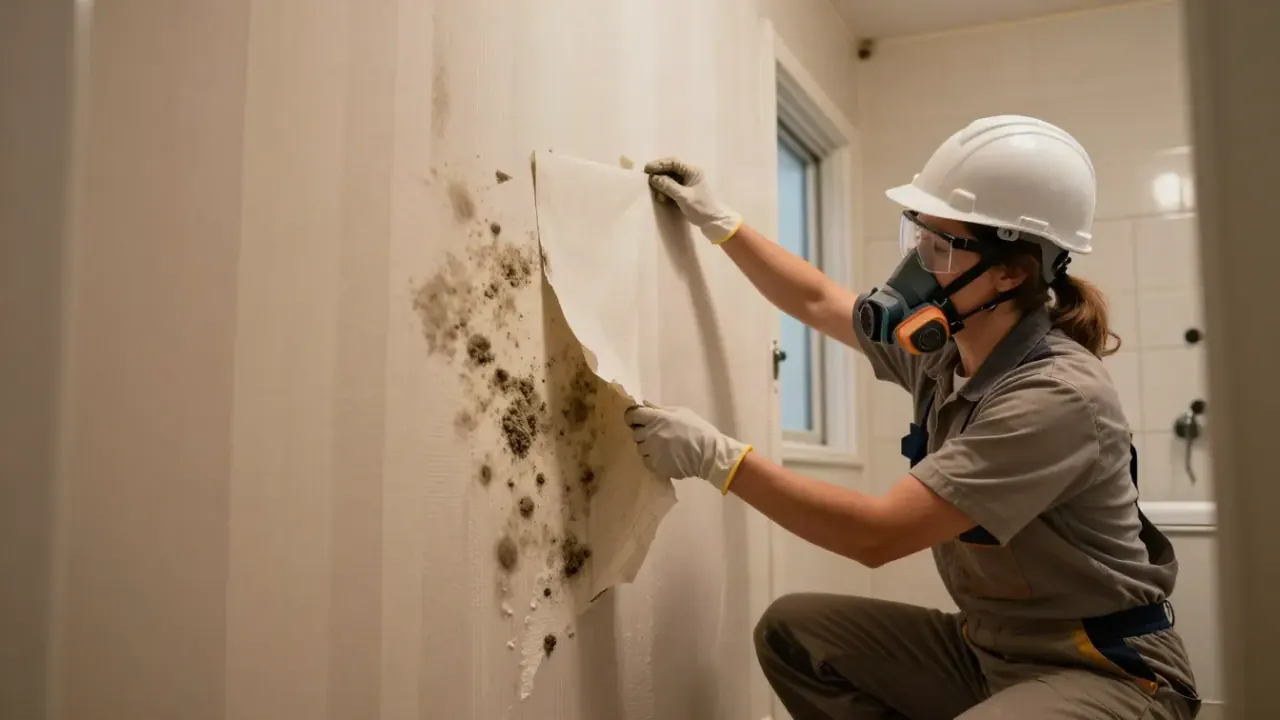
We apply antimicrobial solution to affected framing, baseboards, and subfloor where mold risk is highest. This is not a substitute for drying, but it adds a layer of protection while materials dry.
When readings hit dry standard, we photograph the area, log final numbers, and leave a drying report. This document supports your insurance claim and proves the job was done correctly.
The approach is the same for a home and a business. What changes is the access, the schedule and who needs the paperwork.
We dry houses after leaks, storms, and appliance failures. You get daily readings and a clear end date.
We dry commercial spaces after floods and sewage backups. After-hours scheduling keeps your doors open.
A plain-language look at what Dehumidification involves and when it is needed.
See how it worksDehumidification is the controlled removal of water vapor from the air and from porous materials like drywall, insulation, and wood subfloor after a leak, flood, or sewage backup. We set up commercial dehumidifiers, air movers, and a hygrometer to measure relative humidity, then run the equipment until moisture readings match a dry standard. It is not a fan pointed at a wet wall. It is a calculated drying system that pulls gallons of water out of the air every day and stops mold growth before it starts.
In Azle, we see the same calls repeat: a burst pipe behind a washing machine, a slab leak that soaks carpet padding for weeks, a roof leak after a spring hailstorm, or a flooded basement from foundation water intrusion. If you search for dehumidification near me Azle TX after any of those events, you need equipment sized for the job, not a box fan from the garage. We handle home dehumidification services Azle TX and commercial dehumidification Azle projects with the same measured approach.
Dehumidification removes the moisture extraction leaves behind.
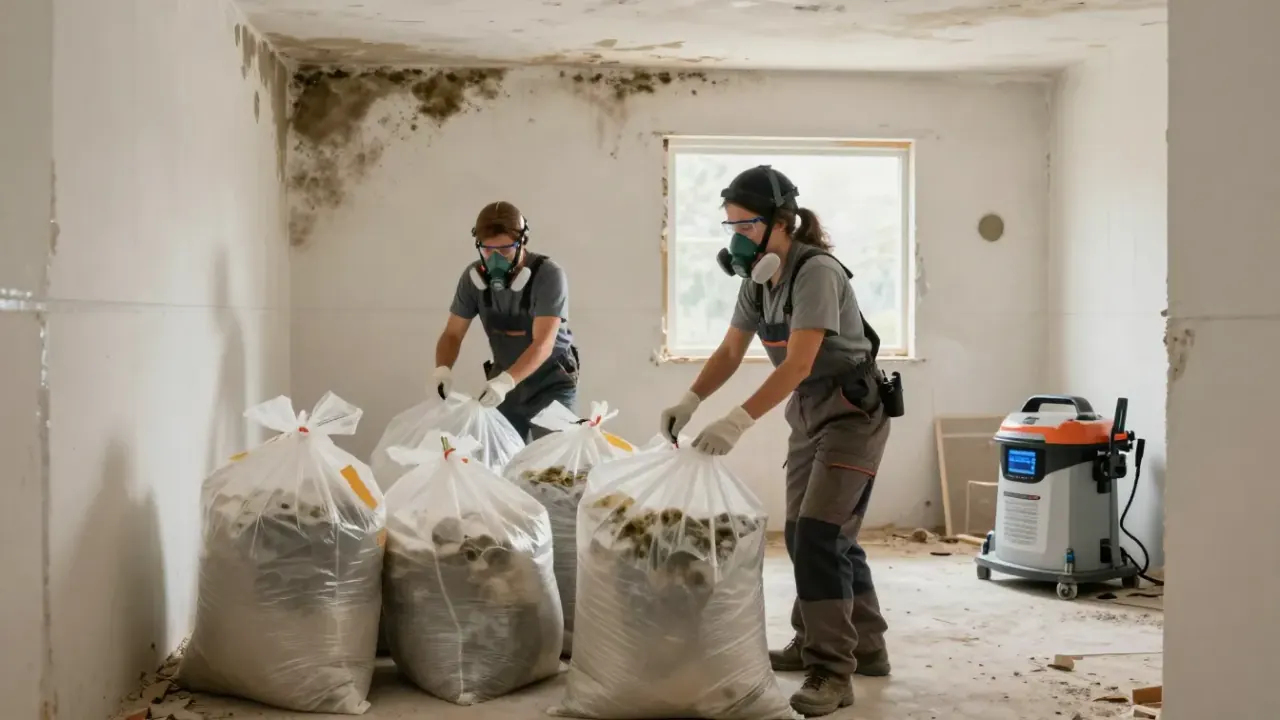
Every job follows the same measured sequence. You will know what is happening, why, and when it ends.
We walk the space with a moisture meter, thermal imaging camera, and hygrometer. We map wet zones, check behind baseboards and under flooring, and photograph everything. This takes 30 to 60 minutes and tells us how much equipment the job needs.
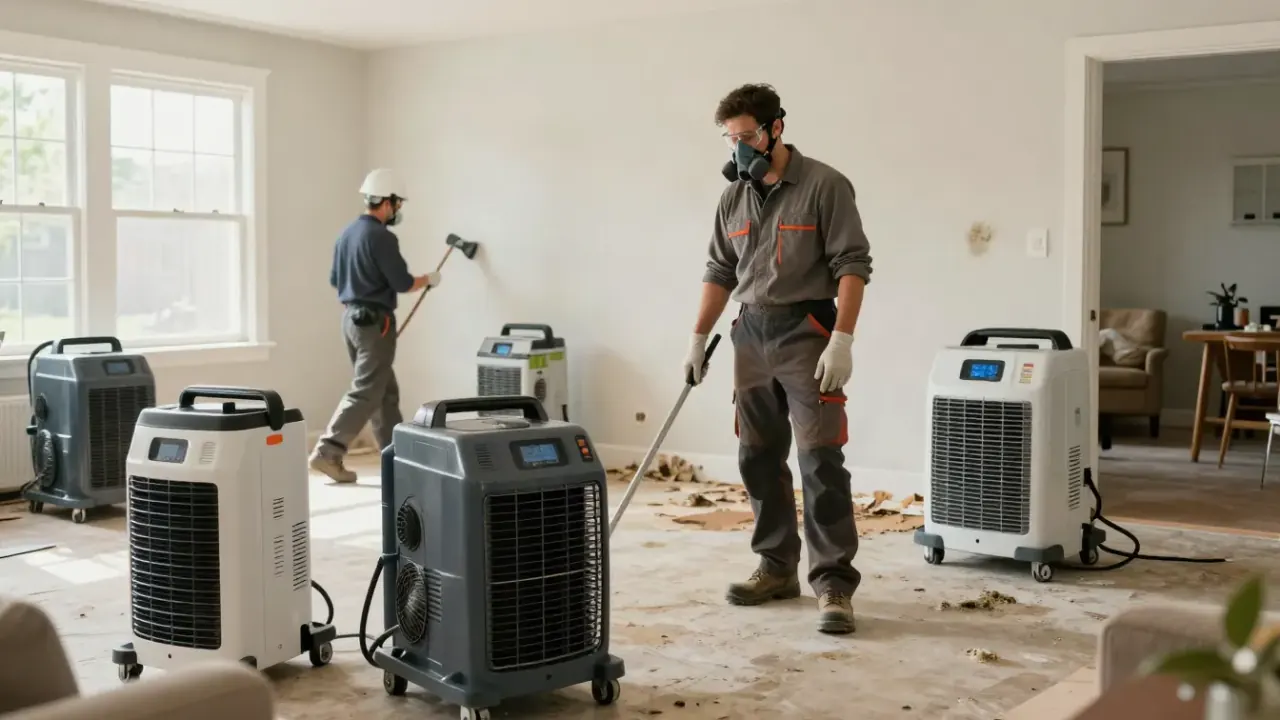
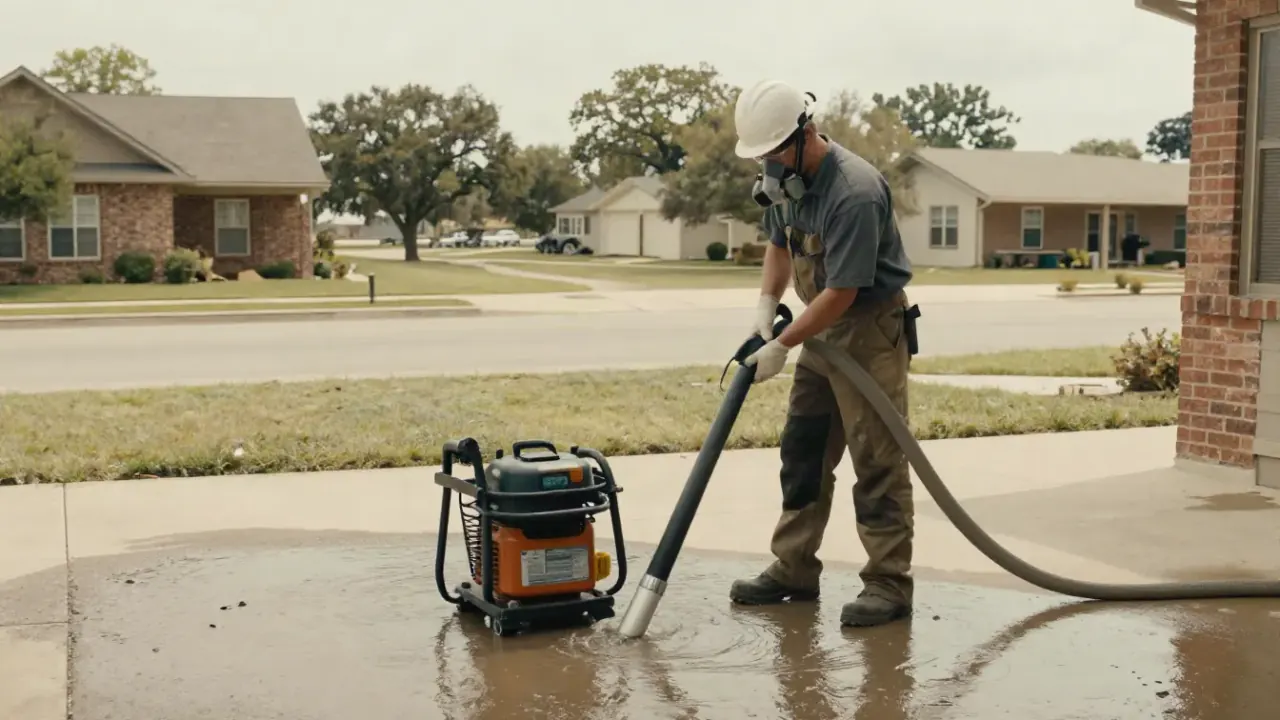
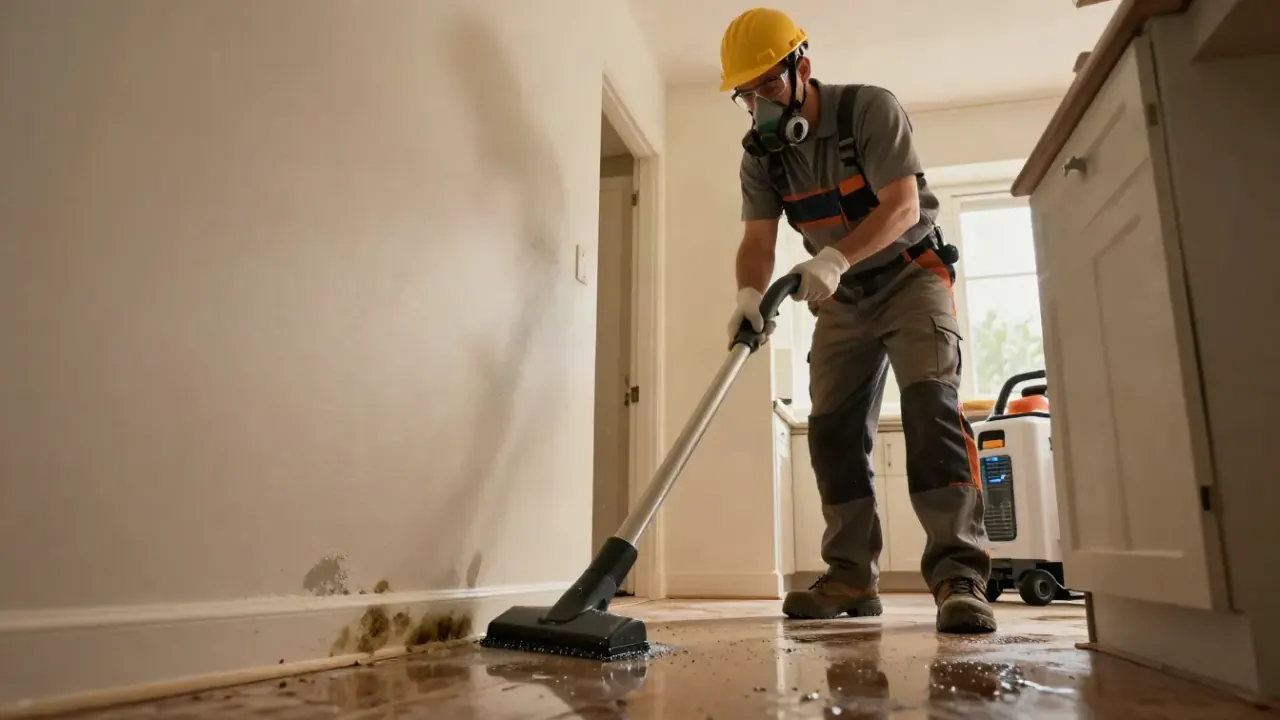
Before we dehumidify, we remove any water still sitting in the room. Our water extraction unit pulls standing water from carpet, hardwood, and concrete. Skipping this step just makes the dehumidifiers work harder and longer.
We position Dri-Eaz and Phoenix Restoration dehumidifiers with air movers to create a drying vortex across wet surfaces. We seal doorways with negative air machine setups when needed to keep moist air from spreading to dry rooms. Setup takes one to two hours.
We return each day to log moisture content and humidity levels. Readings drop, equipment gets repositioned, and we adjust until the structure hits dry standard. You get a daily update, not silence.
When moisture readings match a dry, unaffected area of your home, we pull the equipment. We do a final walkthrough with you, take photos, and leave a drying log for your records or insurance claim. Most jobs wrap in two to four days.
Move across a circle, or focus it and press Enter, for an illustrative thermal view of the photograph.
Low-grain refrigerant units that pull large volumes of water from the air. We size them by cubic footage and moisture load, not by room count.
Commercial-grade units used on larger residential and commercial jobs. They run continuously and hold up to multi-day drying projects.
Finds hidden moisture behind walls, under floors, and in ceilings without tearing anything open. We use it to map the full extent of the water damage.
Measures moisture content in materials and relative humidity in the air. These readings tell us when the job is actually done.
Create directed airflow across wet surfaces to accelerate evaporation. Positioned to create a vortex that lifts moisture into the dehumidifier intake.
Thermal views are illustrative, generated from the photographs.
Creates negative pressure to contain moisture and odors in one area. Used on sewage backups and mold-related jobs.
The industry standard for water damage restoration. It defines how to classify water losses, set drying goals, and document the process. We follow it on every job.
We log moisture content and humidity readings every day and adjust equipment placement based on the numbers. This is how we know when to stop, not a calendar.
We apply antimicrobial solution to affected framing, baseboards, and subfloor after extraction. It does not replace drying, but it adds protection against mold growth during the dry-down period.
We format our moisture logs and photos to match Xactimate, the software most insurance adjusters use. This speeds up claim approval and reduces questions about whether drying was necessary.
A washing machine supply line bursts while you are at work, soaking the laundry room and hallway carpet.
We extract standing water, pull up carpet padding if saturated, and set dehumidifiers with air movers directed at the subfloor and walls. Daily readings track the dry-down.
Outcome: Most laundry room floods dry in two to three days. Catching it the same day usually saves the drywall and baseboards.
A spring hailstorm damages your roof and water drips into the attic and ceiling for hours before you notice.
We tarp the roof if needed, extract water from insulation and ceiling drywall, and set dehumidification equipment in the attic and affected rooms. We use thermal imaging to find hidden moisture behind ceiling paint.
Outcome: Drying the attic and ceiling prevents mold growth in insulation and stops ceiling sag. Most storm-related jobs dry in three to five days.
A slab leak under your foundation soaks the carpet in a bedroom for weeks before you smell it.
We locate the moisture with thermal imaging, extract water from carpet and padding, and run dehumidifiers to pull moisture from the concrete and subfloor. We document readings for your insurance claim.
Outcome: Drying the slab and subfloor stops mold growth and prevents flooring from buckling. This type of job typically runs four to seven days.
A sewage backup floods your basement with contaminated water.
We remove standing water, dispose of saturated materials, apply antimicrobial solution, and set dehumidifiers with negative air machine setups to contain moisture and odor. This is a category 3 loss, so we follow strict safety protocols.
Outcome: The basement dries to safe levels, odors are controlled, and the space is ready for repairs. Most sewage backup dry-outs take four to six days.
Azle sits in Tarrant County where summer humidity regularly pushes above 70 percent and spring storms dump inches of rain in hours. That combination means water damage here does not dry on its own. Older homes in Downtown Azle often have pier-and-beam foundations with crawl spaces that trap moisture, while newer construction in Azle Heights uses slab foundations that hide leaks under flooring.
We adjust our drying approach for both. On a pier-and-beam home, we set dehumidifiers in the crawl space and living areas. On a slab, we use thermal imaging to find the leak path and dry from the surface down. If you need dehumidification after water damage in Azle, Texas, we bring equipment sized for the job and readings to prove it is working.
We also coordinate with your insurance adjuster using Xactimate-compatible documentation, which matters when your carrier is deciding what to cover.
Before: A supply line burst behind the washing machine and ran for six hours before the homeowner got home. Carpet in the laundry room and hallway was soaked, and water had wicked up the drywall six inches. Humidity in the room read 82 percent.
After: We extracted standing water, pulled saturated carpet padding, and ran a Dri-Eaz dehumidifier with air movers for three days. Final moisture readings matched a dry reference wall. Drywall and baseboards were saved. Total job: three days.
We recommended replacing the supply line with a braided stainless steel hose and checking it annually. The homeowner also added a water alarm under the washer.
Before: A slab leak under a bedroom soaked the carpet and padding for an estimated two weeks before the homeowner noticed a musty smell. Thermal imaging showed moisture spread across 120 square feet of subfloor. Carpet padding was saturated and mold was starting at the baseboard.
After: We removed the carpet and padding, extracted water from the slab, applied antimicrobial solution, and ran dehumidifiers for five days. Final readings showed the slab and subfloor at dry standard. Mold did not spread beyond the baseboard, which we treated and saved.
We advised the homeowner to monitor the slab for future leaks and keep indoor humidity below 55 percent with a small dehumidifier during summer months.
Before: A sewage line backed up into a restaurant dining room overnight, flooding 600 square feet of tile and carpet. The water was category 3 contaminated. Humidity was above 85 percent and odors were strong.
After: We removed saturated carpet, extracted standing water, applied antimicrobial solution, and set negative air machines with commercial dehumidifiers. After four days, moisture readings hit dry standard and odors were gone. The restaurant reopened on day five.
We recommended annual sewer line inspections and a backflow preventer to stop future backups. The owner also scheduled quarterly humidity checks in the dining room.
These are the calls we get most often. Each one has a drying solution that stops the damage from getting worse.
Dry structure, no mold, documented readings.
Mold needs moisture, organic material, and time. We remove the moisture variable fast. On a typical Azle Heights job, we drop indoor relative humidity from 80 percent to under 50 percent within the first day, which shuts down the conditions mold spores need to colonize drywall and baseboards.
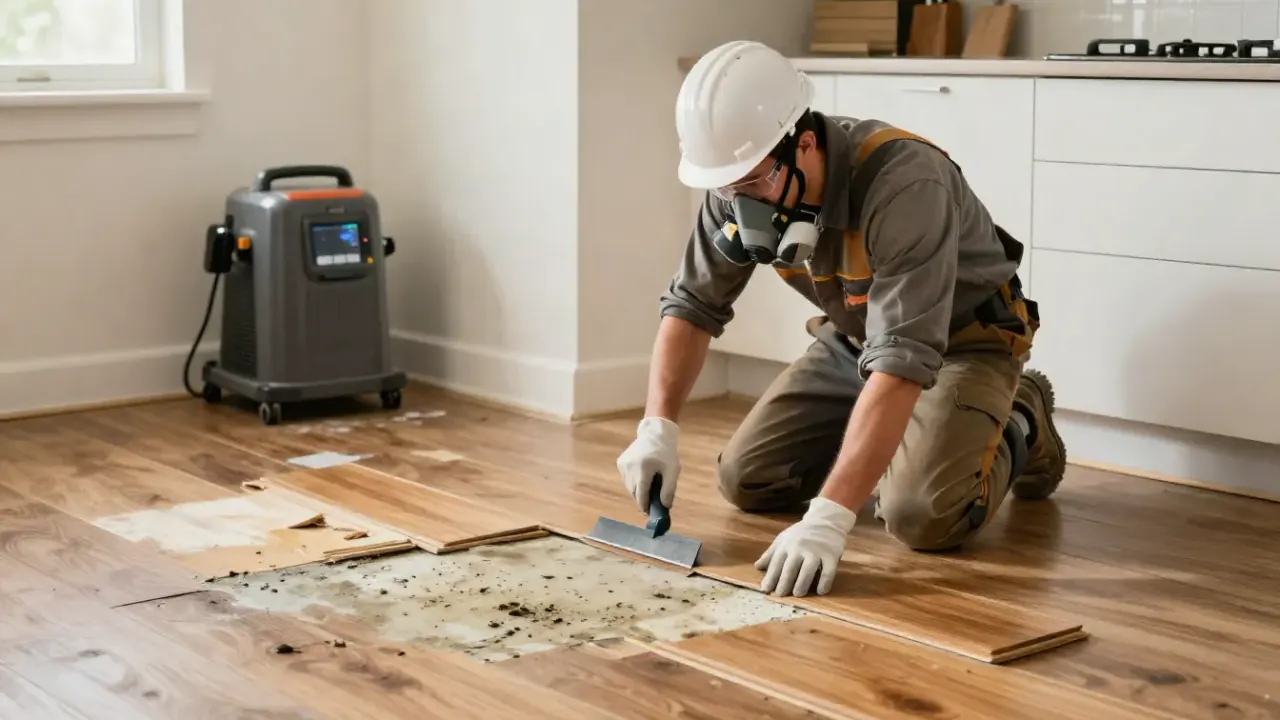
Wet wood subfloor and framing swell, warp, and lose strength. Carpet padding acts like a sponge and will not dry on its own. We use thermal imaging and moisture meters to find hidden saturation behind walls, then dry the structure to pre-loss readings so your floors stay flat and your walls stay straight.
Every day of delay pushes more material into the replace column. Drying a wet room costs a fraction of tearing out mold resistant drywall, replacing insulation, and rebuilding. We document moisture readings daily so your insurance adjuster sees exactly what was saved and what was removed.
Most residential dehumidification jobs run two to four days. Commercial dehumidification Azle projects in restaurants or retail spaces can finish in 24 to 48 hours with after-hours scheduling. We tell you the expected dry-out window on day one and hit it.
What a written scope covers and what shapes it. Prices are set by the business after the first look.
Included
Depends on
Clear records you can keep and share.
Daily moisture readings and humidity levels
Before, during, and after images
Marked wet zones and dry standard
Equipment used and dry-down timeline
Not all water damage is the same. The category of water determines how we dry and what we remove.
Clean water from supply lines or rain
Gray water with some contamination
Black water with harmful contamination
A list like this tells people straight away whether you cover their street. Not listed? Call and ask: it only takes a minute.
Based in Azle and covering the places around it. Pick one for local details.
We give you a written price before we set equipment. If your insurance covers the water damage, dehumidification is typically part of the claim.
Most homes dry in two to four days. A small bathroom or laundry room might finish in 48 hours. A flooded basement with saturated drywall and subfloor can take five to seven days. We check readings daily and pull equipment the day the structure hits dry standard, not a day later.
Yes, if any material stayed wet longer than a few hours. Extraction removes standing water, but walls, padding, and subfloor hold moisture that only dehumidification pulls out. Without it, mold growth starts within 24 to 48 hours and you risk a much larger repair bill.
It depends on cubic feet, not square feet. A 1,200-square-foot home with 8-foot ceilings needs roughly 9,600 cubic feet of coverage, which usually means one large LGR dehumidifier plus air movers. We size equipment on-site using moisture readings, so you are not renting something too small to finish the job.
Other services from the same team.
We answer the phone, show up when we say we will, and bring the equipment to finish the job. Call now and we will tell you what your space needs and what it costs.
Call us anytime at (817) 989-2786 for emergency service or to schedule an inspection. You can also email info@waterdamageazle.com or stop by our office.