For homes
We handle leaks, storm water, and appliance failures in houses and rentals. You get daily updates and a dry standard verified with readings.
- Burst supply line
- Water heater leak
- Basement seepage
When a pipe bursts or a storm pushes water into your home, water damage restoration Azle TX gets the water out and the structure dry before mold takes hold. Serving Downtown Azle, Azle Heights, and all of Tarrant County.
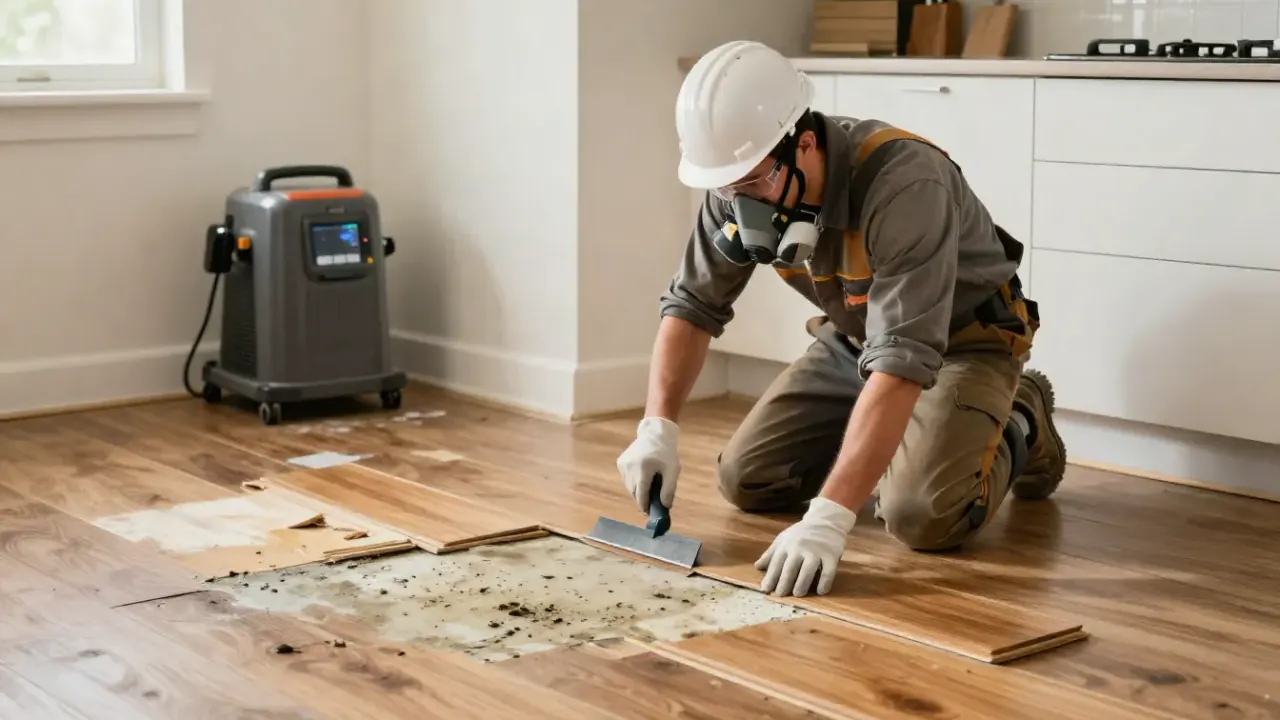 Check moistureExtract waterDry structure
Every job starts with an inspection and a written scope, so you know what is covered before equipment rolls in. Extraction, drying, monitoring, and documentation are standard. Repairs like drywall replacement and flooring are quoted separately once drying is complete, and we tell you which materials can be saved versus replaced.
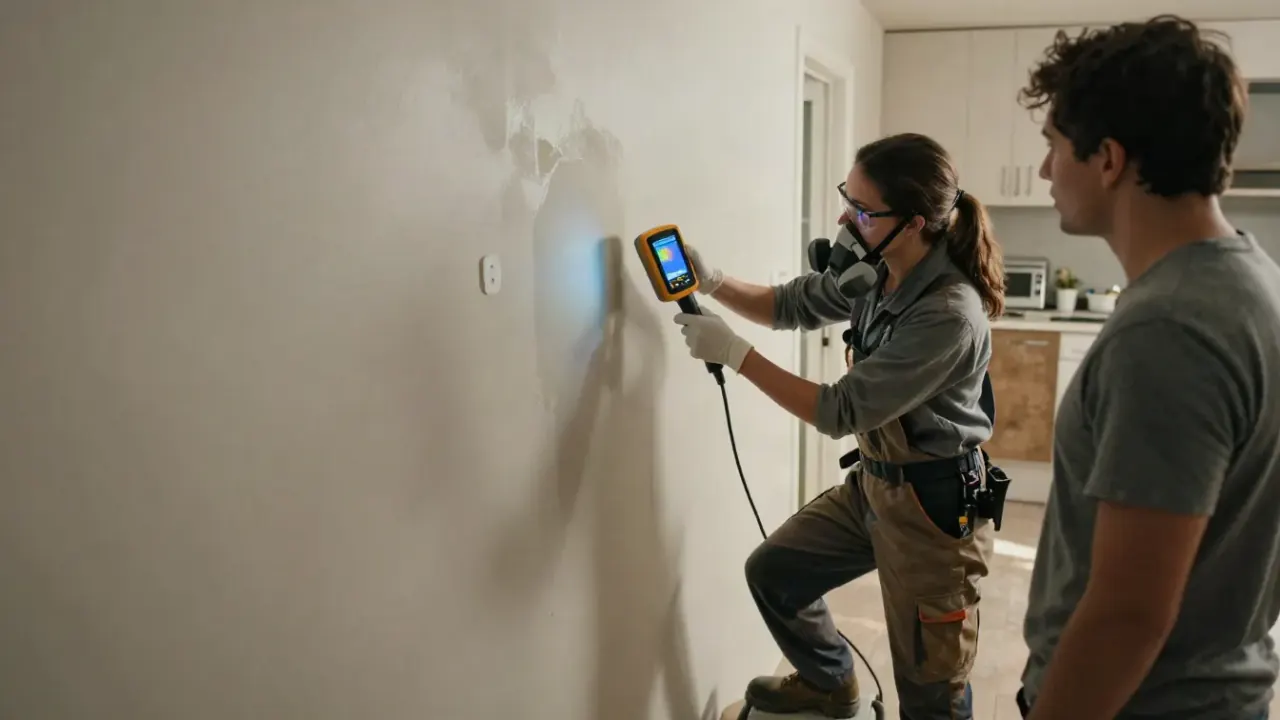
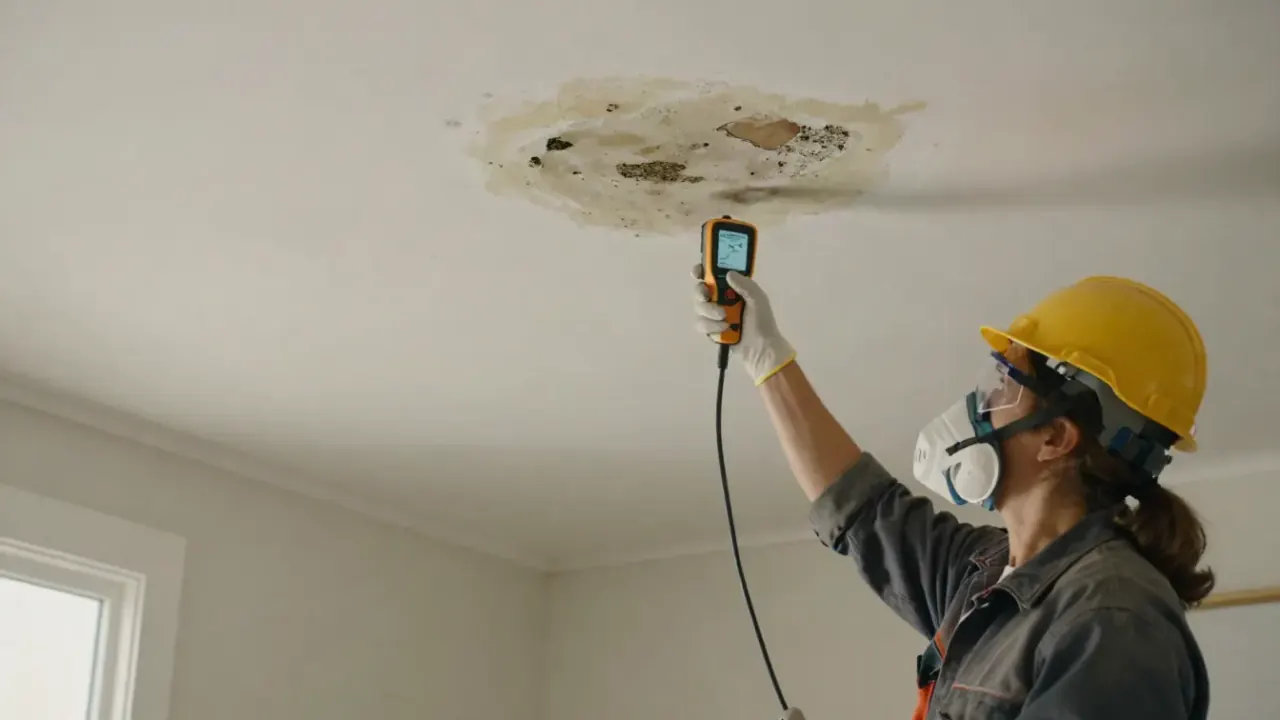
We use a thermal imaging camera and moisture meter to find hidden water behind walls, under floors, and above ceilings. You get a map of affected areas and a clear explanation of what can be dried versus what needs removal.
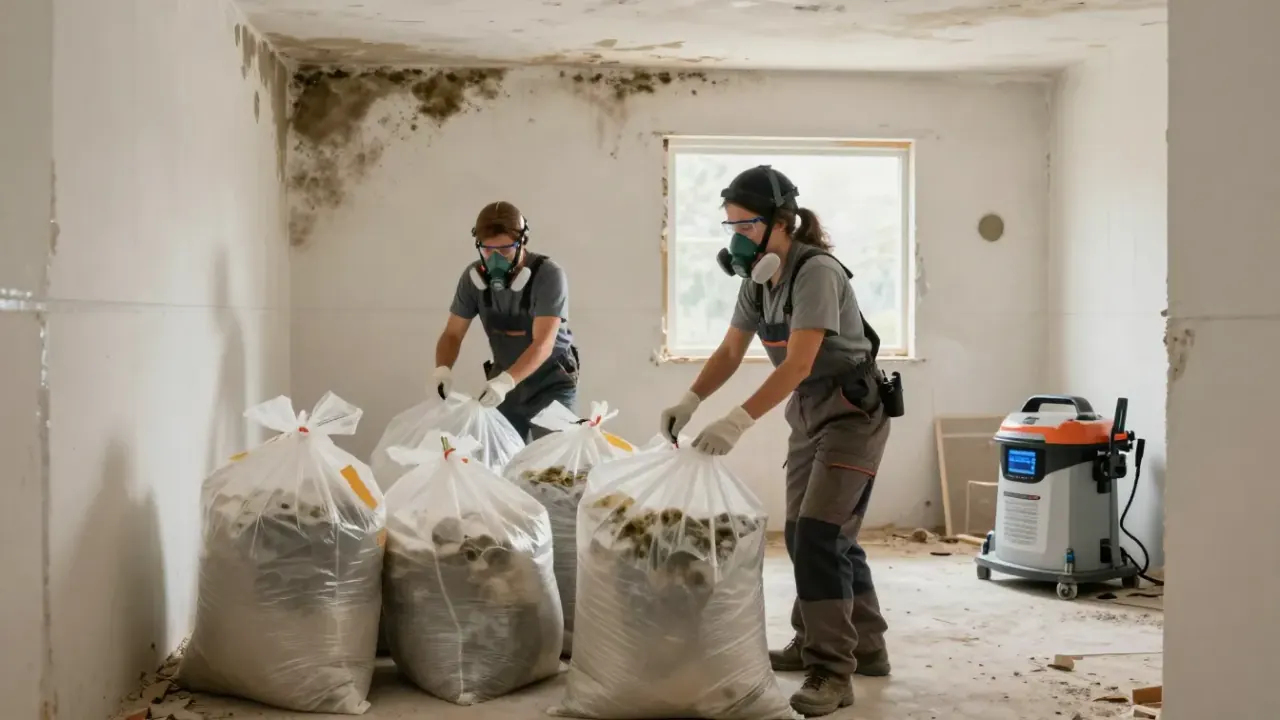
Standing water comes out with a water extraction unit. Saturated carpet padding is removed because it rarely dries in place. We bag and haul debris so you are not left with wet materials sitting in a garage.
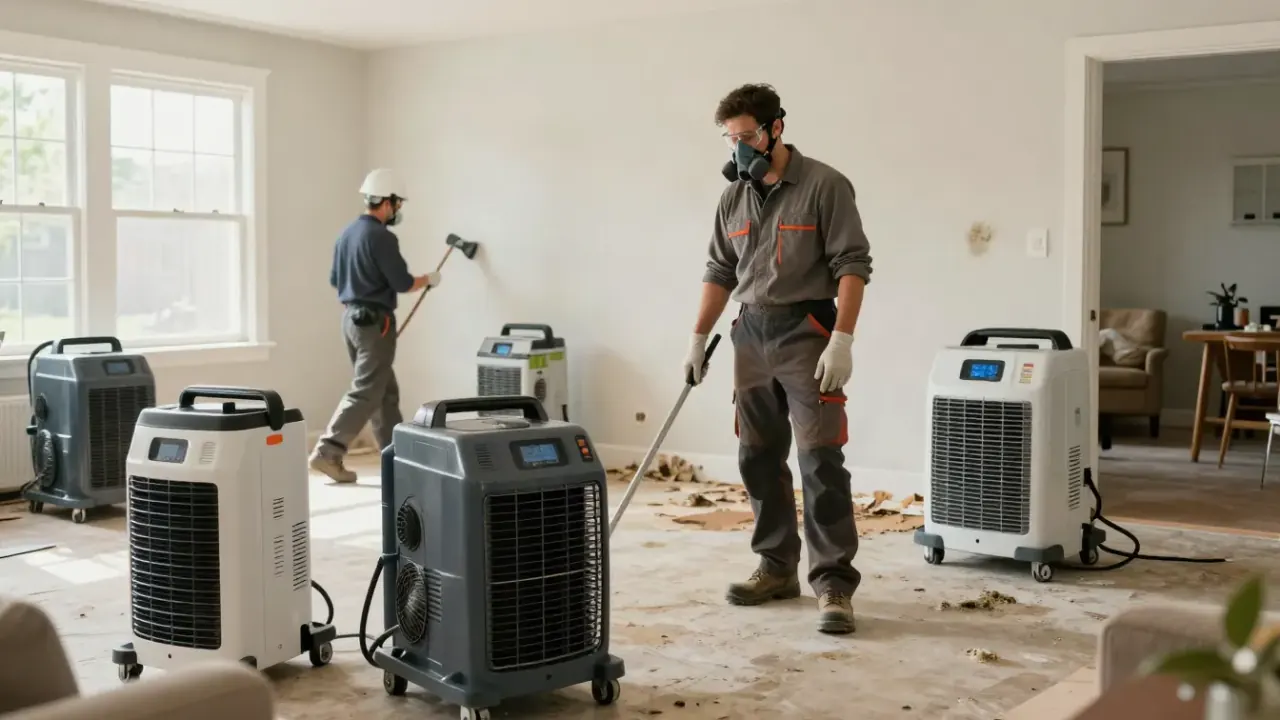
We place air movers and dehumidifiers sized to the affected square footage, then check them daily. Equipment runs continuously until readings hit dry standard, which usually takes three to five days on an Azle home.
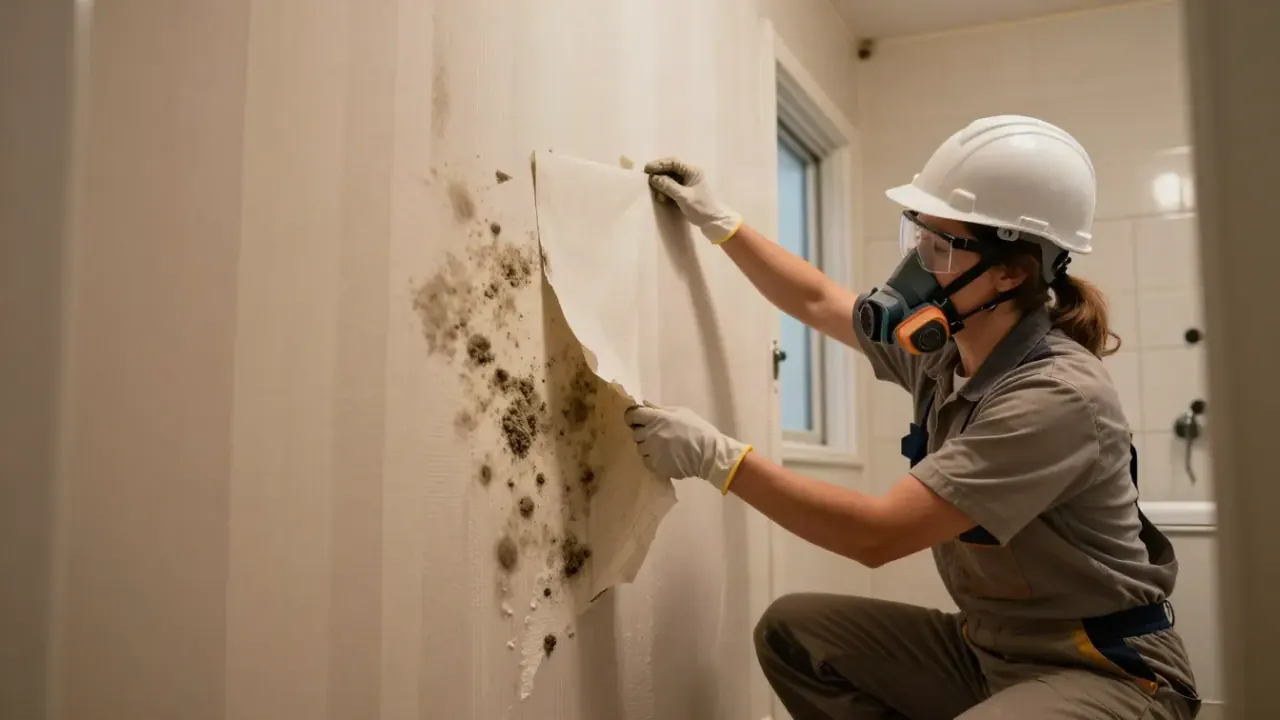
Affected framing and surfaces get an antimicrobial solution after extraction. This slows mold growth while the structure dries.
You receive daily moisture readings, photos of affected materials, and a final drying report. We send the same packet to your insurance adjuster, which speeds claim review and gives you a record of the loss.
The approach is the same for a home and a business. What changes is the access, the schedule and who needs the paperwork.
We handle leaks, storm water, and appliance failures in houses and rentals. You get daily updates and a dry standard verified with readings.
We work around your hours to limit downtime for shops, offices, and rentals. Documentation goes straight to your carrier or property manager.
A plain-language look at what Water Damage Restoration involves and when it is needed.
See how it worksWater damage restoration Azle TX is the process of extracting standing water, drying structural materials, and returning your home to pre-loss condition after a leak, storm, or plumbing failure. It is not just shop-vac work. We use moisture meters and thermal imaging cameras to map water you cannot see behind baseboards and under wood subfloor, then run air movers and dehumidifiers until readings match dry standard. Every job follows IICRC S500 standards, and we document each reading so your insurance claim is backed by data.
Azle sits in a stretch of North Texas where the ground shifts, slab leaks are common, and summer storms dump two inches in an hour. That combination means water damage repair Azle, Texas calls spike after heavy rain and again in winter when pipes freeze. If you search for water damage restoration near me Azle TX after a burst pipe at 2 a.m., you need a crew that answers the phone and shows up with a water extraction unit, not a voicemail.
Water damage is a drying problem first and a repair problem second.
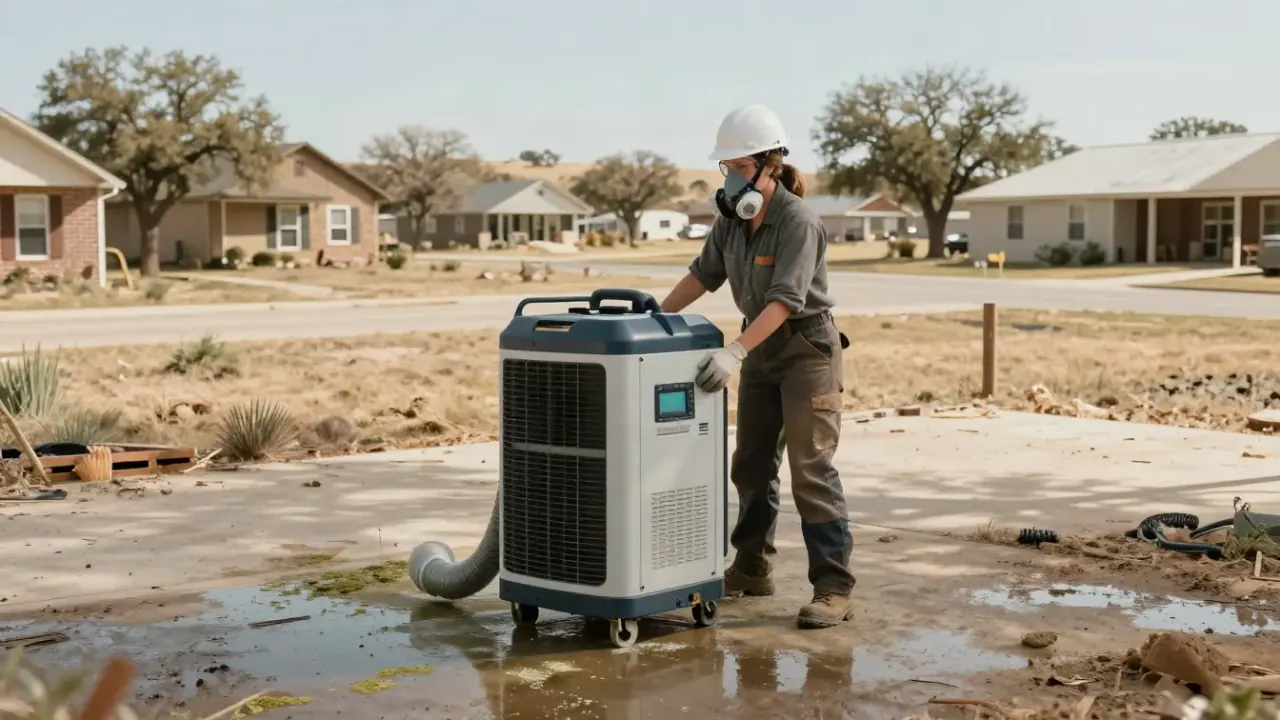
Five steps take you from standing water to a closed claim. Here is exactly how a typical Azle job runs, and what you will see at each stage.
You call, we ask what happened, where the water is, and whether the source is stopped. We dispatch a crew and give you a realistic arrival window. While you wait, we tell you how to shut off the water main and kill power to affected rooms if it is safe to do so.
On arrival we walk the space with you, then run a thermal imaging camera and moisture meter across walls, floors, and ceilings. This takes 30 to 60 minutes on an average Azle home. You see the readings and we explain which materials can be dried and which are coming out.
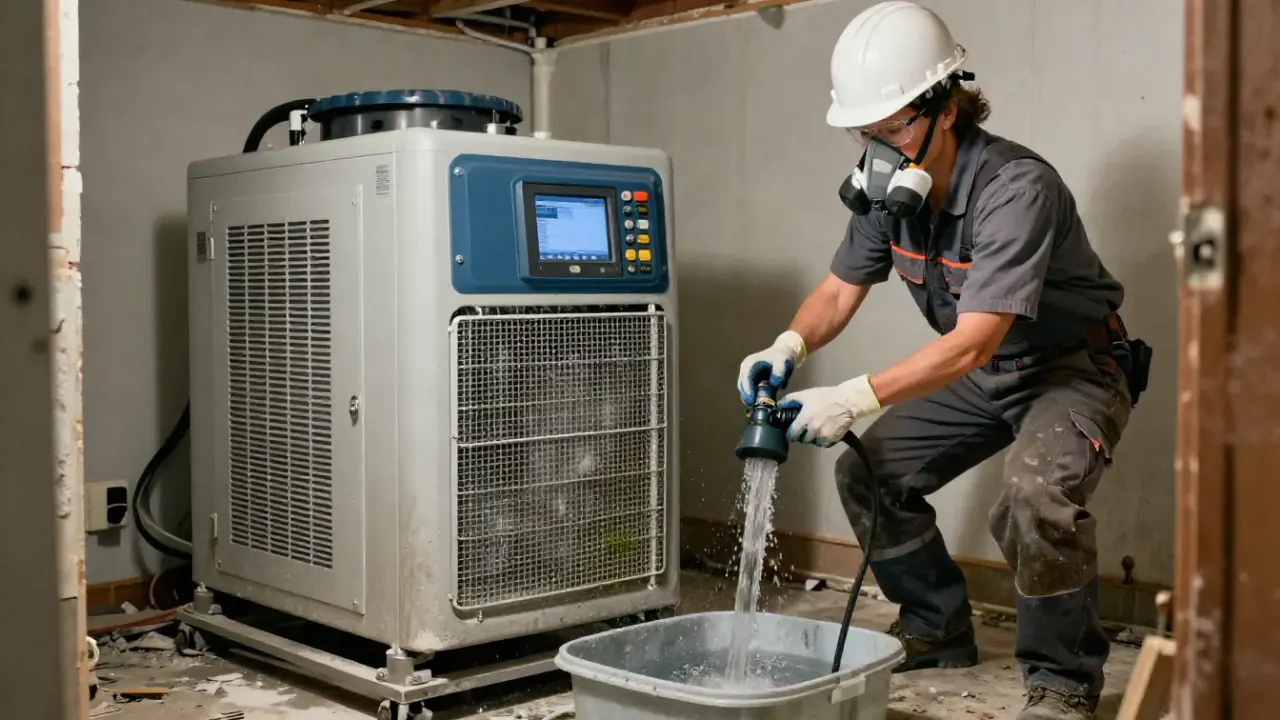
We pull standing water with a water extraction unit, remove saturated carpet padding, and set air movers and dehumidifiers. A typical bedroom takes four to six air movers and one dehumidifier. We build a containment barrier if mold risk is high and run a negative air machine to keep spores out of clean rooms.
We return each day to log moisture readings, check equipment, and adjust placement. Most Azle jobs dry in three to five days. You get a daily update, and we tell you the moment readings are trending toward dry standard so you can plan for repairs.
When readings hold at dry standard for 24 hours, we remove equipment and do a final walk with you. You receive a moisture log, photo documentation, and a scope of repairs. We send the same packet to your adjuster so the claim moves without you chasing paperwork.
Move across a circle, or focus it and press Enter, for an illustrative thermal view of the photograph.
Finds hidden moisture behind walls, under floors, and above ceilings by reading temperature differences. It shows us where water traveled before we cut anything open.
Measures moisture content in materials and humidity in the air. We log readings daily and compare them against dry standard to decide when a room is actually dry.
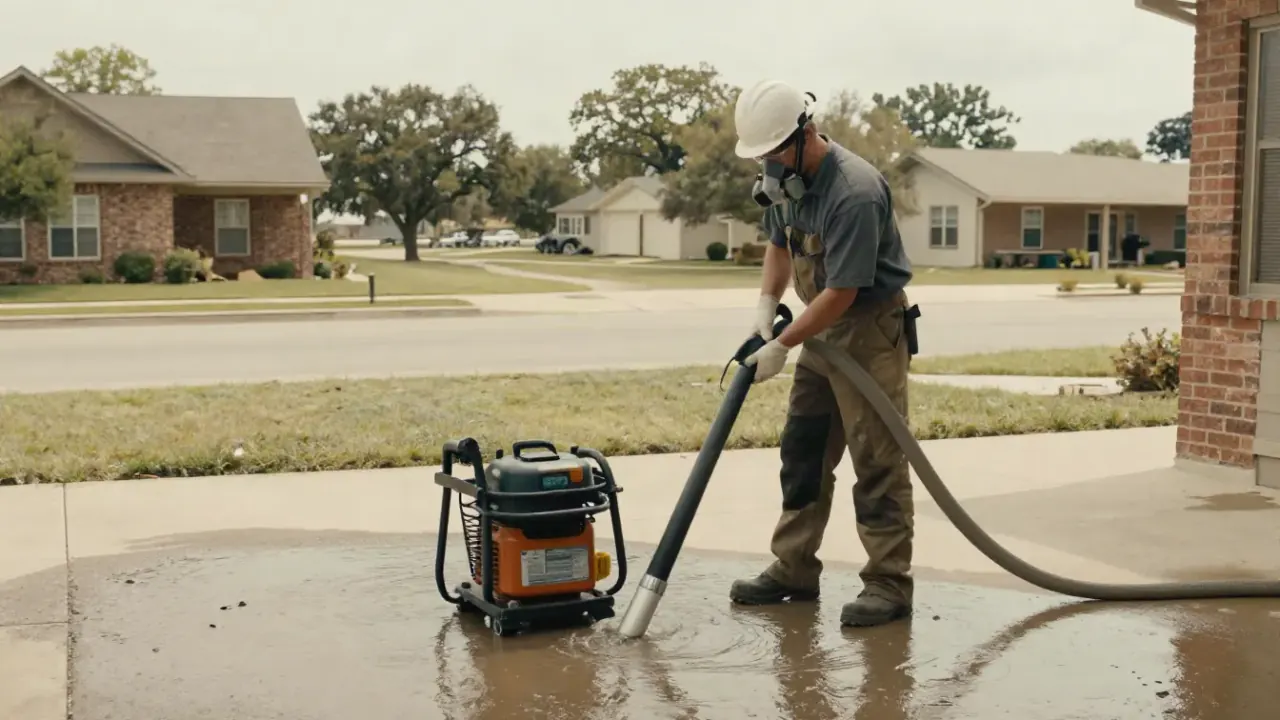
Pulls standing water out of carpet and hard flooring fast. Truck-mounted and portable units let us start extraction the same day we arrive.
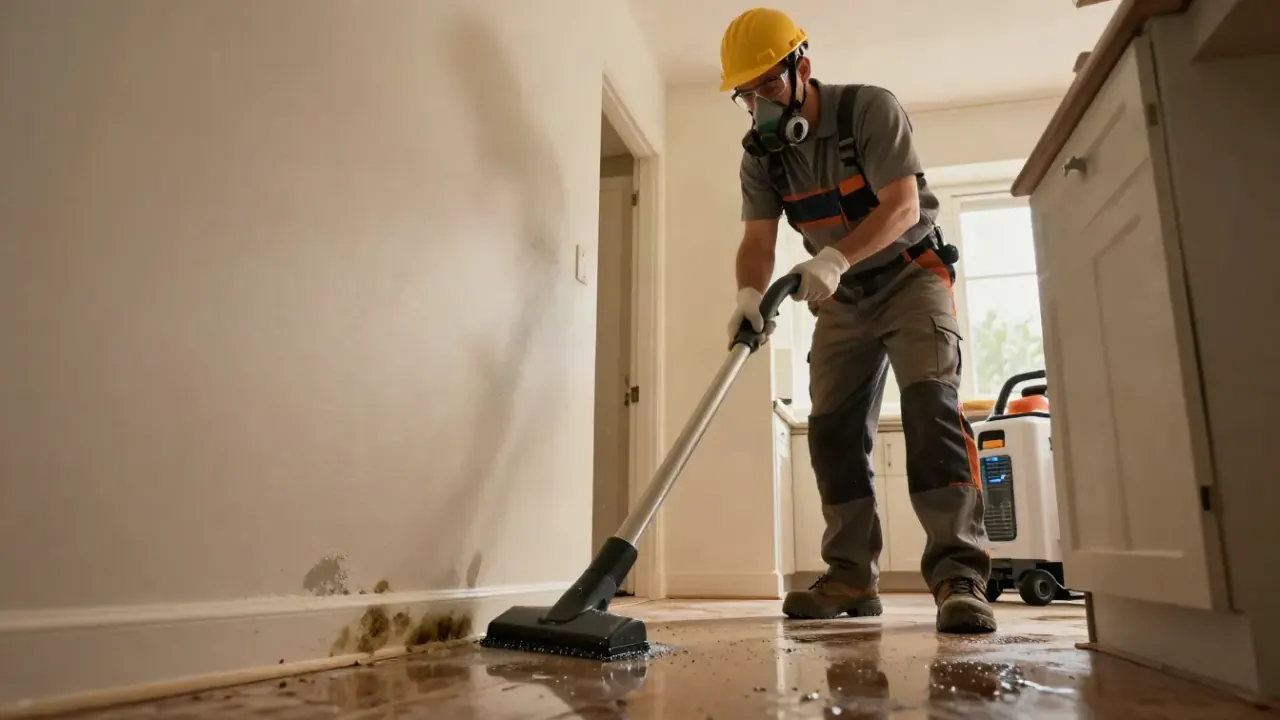
Circulate air across wet surfaces and pull vapor out of the air so materials release moisture. We size the count to the affected square footage.
Used on contaminated jobs like sewage backups. The HEPA vacuum captures fine particles, and the fogger applies antimicrobial solution across affected surfaces.
Thermal views are illustrative, generated from the photographs.
Creates containment pressure so mold spores and dust stay inside the work zone. We run it whenever remediation is part of the job.
The industry standard for water damage restoration. It sets how we classify water, place equipment, and define dry standard. Following it keeps our documentation consistent with what insurance adjusters expect.
We build the repair and drying estimate in Xactimate, the same platform most carriers use. That means line items match what your adjuster sees, which cuts back-and-forth and speeds claim approval.
We log moisture meter and hygrometer readings every day and adjust equipment placement when progress stalls. You get the numbers in writing, and drying ends when readings hold at dry standard for 24 hours.
On jobs with mold risk or contaminated water, we build containment, run a negative air machine, and apply antimicrobial solution to affected framing. This keeps the rest of your home out of the work zone.
A pipe bursts under the sink on a Saturday night and water spreads across the kitchen floor.
We answer the call, walk you through shutting off the main, and dispatch a crew with a water extraction unit. Extraction starts the same night, and drying equipment is running before morning.
Outcome: Most kitchen losses like this dry in three to four days, and cabinet bases are saved instead of replaced.
Heavy spring rain pushes water into a basement through foundation cracks.
We extract standing water, check the walls with a moisture meter, and set dehumidifiers and air movers. If we find mold, we contain it and remove it in-house.
Outcome: The basement hits dry standard in four to five days, and you get a report showing where the water entered.
A water heater leaks overnight and soaks carpet in a hallway and closet.
We pull the carpet back, remove saturated padding, and dry the subfloor and baseboards. A moisture meter confirms the subfloor is dry before new padding goes down.
Outcome: Carpet is often reused, padding is replaced, and the hallway is dry in three days.
A storm drives water through a damaged roof and into a ceiling cavity.
We open the ceiling, remove wet insulation, and dry the framing and drywall edges. Antimicrobial solution goes on the framing before repairs.
Outcome: The cavity dries in four to six days, and you have photos showing the framing was dry before it was closed.
Azle sits on the west side of Tarrant County, where clay soil shifts with every wet and dry cycle. That movement cracks slabs and opens foundation water intrusion paths, which is why slab leaks and foundation seepage are two of our most common calls. Summer storms can drop two inches in an hour and overwhelm gutters and window wells.
Winter brings the other half of the problem: hard freezes that burst pipes in attics and exterior walls. Older homes near Downtown Azle often have galvanized supply lines and cast iron drains that fail without warning, while newer builds in Azle Heights tend to have PEX and PVC that hold up better but still leak at fittings.
When you call for emergency water damage repair in Azle, Texas, we bring equipment sized for both housing types and document everything for your carrier.
Before: A supply line failed overnight and water spread across the kitchen, hallway, and two closets. Carpet padding was saturated, and baseboards had started to swell. The homeowner called at 6 a.m. with water still standing.
After: We extracted standing water within two hours, removed wet padding, and set six air movers and one dehumidifier. Readings hit dry standard in four days. Carpet was reused, padding replaced, and the baseboards dried without removal.
Check supply lines and shutoff valves under sinks twice a year. Replace braided lines every five to seven years, and know where your main shutoff is before you need it.
Before: Three inches of water entered a finished basement through a foundation crack after a heavy storm. Carpet and lower drywall were soaked, and the homeowner was worried about mold. The space had been wet for about 30 hours.
After: We extracted water, cut out the lower 12 inches of drywall, and dried the framing with air movers and a dehumidifier. A small mold patch was removed in containment. The basement hit dry standard in five days.
Seal foundation cracks and keep gutters clear so water drains away from the house. Run a dehumidifier in the basement during humid months to keep humidity under 60 percent.
Before: A main line backup pushed sewage into a rental bathroom and hallway. Carpet, padding, and baseboards were contaminated. The property manager needed documentation for the carrier and a fast turnaround for the tenant.
After: We removed contaminated materials, applied antimicrobial solution, and ran a HEPA vacuum and fogger. Drying took four days. The carrier approved the Xactimate estimate, and the unit was ready for repairs in a week.
Have main lines jetted every 18 to 24 months, especially on older cast iron drains. Tell tenants what not to flush, and keep a plumber on call for backups.
Water damage rarely stays the size it starts. These are the calls we run most often in Azle, and what happens when they are ignored.
A dry structure, documented readings, and a claim that moves.
We roll trucks stocked with water extraction units and air movers, so most Azle jobs start drying the same day you call. Standing water is pulled within hours, not days. That speed is the difference between replacing carpet padding and replacing the whole floor.
We document moisture readings, take photos, and build Xactimate estimates your adjuster already recognizes. You are not translating contractor notes into claim language. Most Azle customers pay only their deductible, and we walk you through that number before work starts.
Drying alone does not stop mold growth. We apply antimicrobial solution to affected framing and use HEPA vacuums on contaminated surfaces.
We do not guess when a room is dry. Each day we log hygrometer and moisture meter readings against a dry standard for your material type. You get the numbers in writing. When readings hold steady for 24 hours, we remove equipment and schedule repairs.
What a written scope covers and what shapes it. Prices are set by the business after the first look.
Included
Depends on
Clear records you can keep and share.
Daily readings against dry standard
Images of affected materials
Final readings and equipment dates
What needs replacing after drying
The source of the water decides what can be dried and what has to come out.
From supply lines and rain
From appliances and drains
From sewage or flooding
A list like this tells people straight away whether you cover their street. Not listed? Call and ask: it only takes a minute.
Based in Azle and covering the places around it. Pick one for local details.
Typical 2026 pricing in this area depends on square footage affected, water category, and how long the water sat before we arrived. We build the estimate in Xactimate and review it with you before work starts.
Yes, most Azle policies cover sudden and accidental water damage like a burst pipe, appliance leak, or storm-driven roof leak. Flood damage from rising water usually needs separate flood coverage. We document the loss with photos and moisture readings, bill your carrier directly, and you pay your deductible. We can explain what your policy likely covers before we start.
Extraction takes a few hours, and structural drying usually runs three to five days for a typical Azle home. Larger losses or homes with slab construction can take seven to ten days. We log moisture readings daily and tell you the moment we hit dry standard, so you can schedule repairs without guessing.
Sometimes yes, sometimes no. Drywall that got wet from clean water and is caught within 24 to 48 hours can often be dried in place with air movers and dehumidifiers. Drywall soaked by sewage backup or sitting wet for days gets cut out and replaced. We check with a moisture meter and give you a straight answer before cutting anything.
Other services from the same team.
Water spreads while you wait, and mold starts within 48 hours. Call (817) 989-2786 and we will dispatch a crew, walk you through shutting off the water, and start extraction the same day. We bill your insurance directly and explain your deductible before work begins.
Call us anytime at (817) 989-2786 for emergency service or to schedule an inspection. You can also email info@waterdamageazle.com or stop by our office.