For homes
We dry houses, apartments, and rental units after leaks, storms, and appliance failures. You get daily moisture checks and a clear drying timeline.
- Burst pipe in wall
- Appliance leak under sink
- Storm leak through ceiling
When a burst pipe or roof leak soaks your Azle home, structural drying Azle TX is the difference between a quick fix and a mold problem. We extract standing water, then use air movers and dehumidifiers to pull moisture out of drywall, wood subfloor, and insulation. If you're searching for structural drying near me Azle TX, our team responds fast and dries your property right the first time.
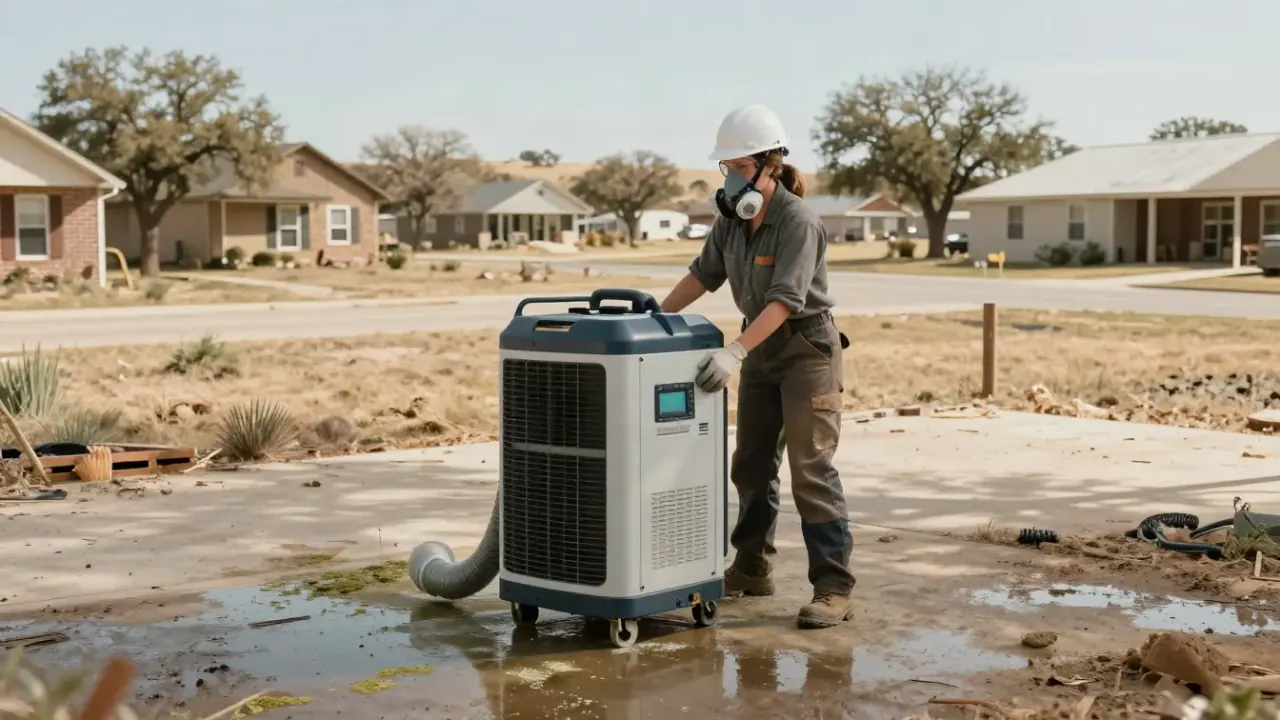 Moisture mappingDaily readingsEquipment placement
Every structural drying job starts with a full inspection and moisture map. From there, we build a drying plan based on what we find. Here's what's included in a standard job. If your situation needs something extra, like mold remediation or duct cleaning, we'll explain that upfront before we start.
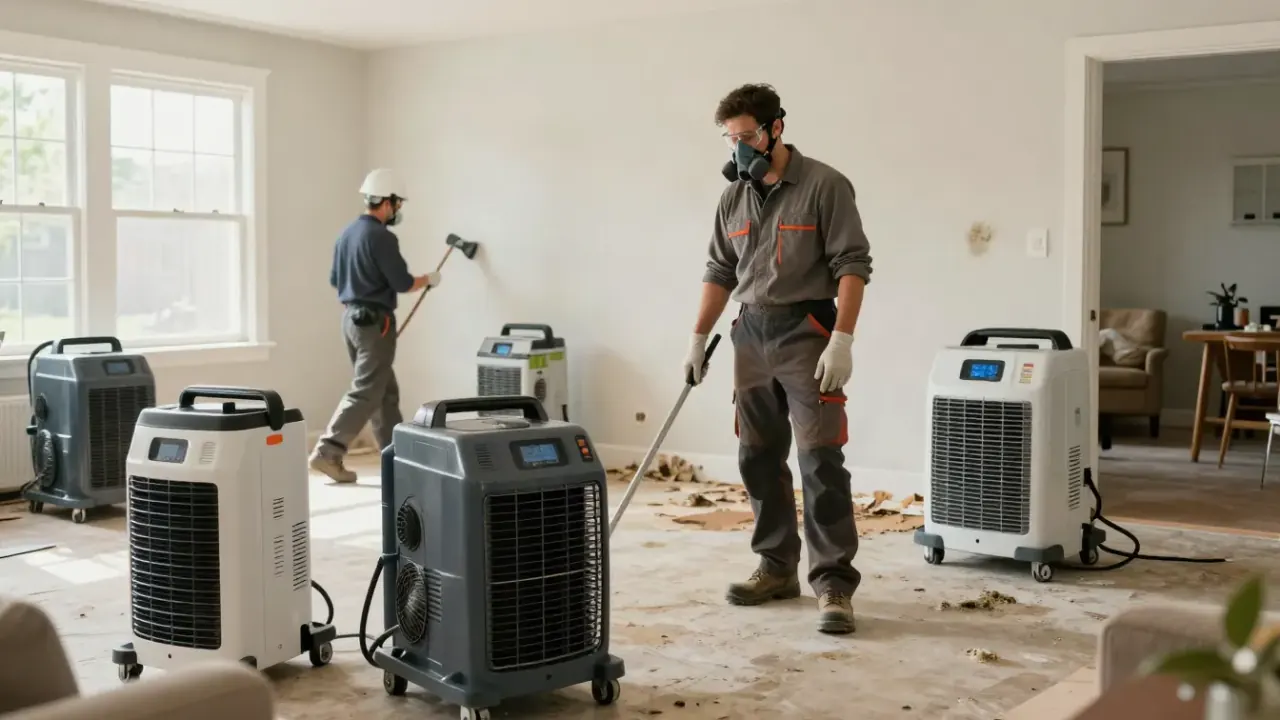
We use moisture meters and thermal imaging cameras to find hidden water in walls, ceilings, floors, and crawlspaces. You get a written scope showing exactly what's wet and what we plan to dry.
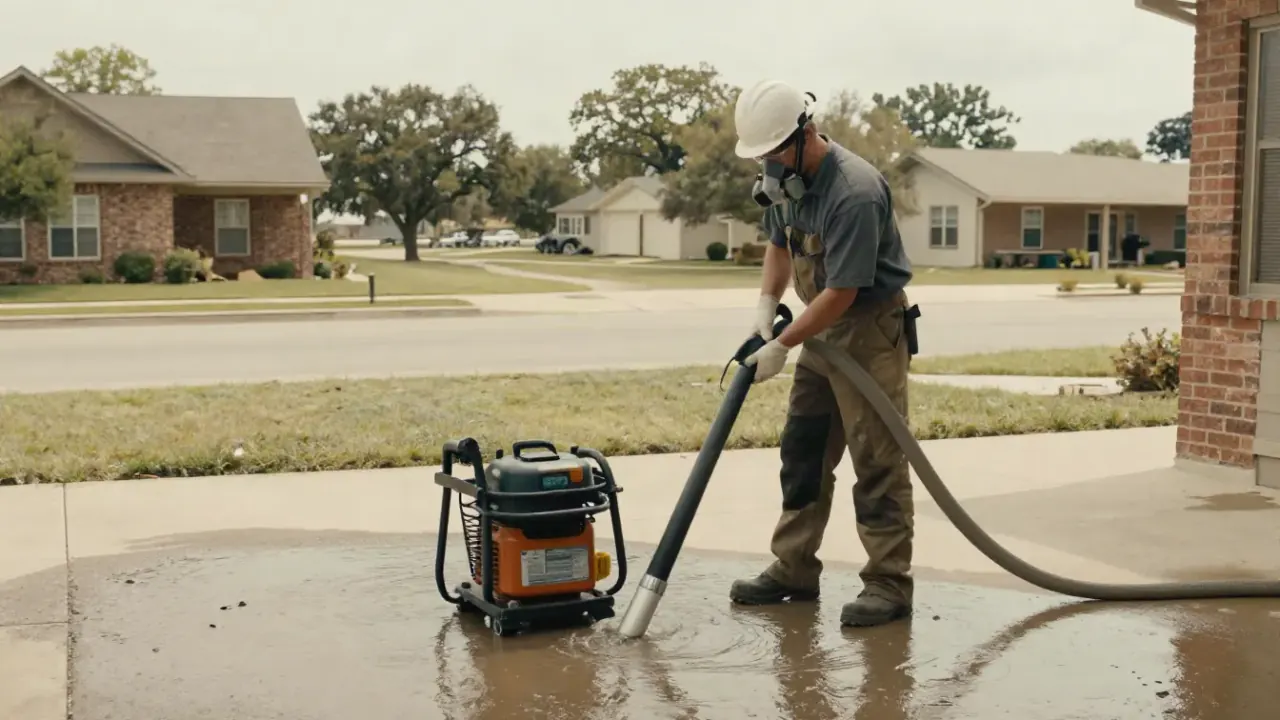
Standing water is removed with truck-mounted or portable extraction units. We pull water from carpet, padding, and hard surfaces before setting up drying equipment.
We place air movers and dehumidifiers based on room size and moisture levels. Equipment runs continuously until materials reach our drying goal.
A technician returns every day to check readings with a hygrometer and moisture meter. We adjust equipment and document progress for your records.
High-risk areas get treated with antimicrobial solution to prevent mold growth. This is standard on sewage backup and long-standing water jobs.
When drying is complete, we do a final walkthrough and provide a report with before-and-after moisture readings. You'll know your property is dry, not just hope it is.
The approach is the same for a home and a business. What changes is the access, the schedule and who needs the paperwork.
We dry houses, apartments, and rental units after leaks, storms, and appliance failures. You get daily moisture checks and a clear drying timeline.
We dry offices, retail spaces, and warehouses with minimal disruption. After-hours scheduling keeps your business running while equipment works.
A plain-language look at what Structural Drying involves and when it is needed.
See how it worksStructural drying Azle TX is the controlled process of removing moisture from building materials after water damage. We use moisture meters and thermal imaging cameras to map exactly where water has traveled, then set up a calculated system of air movers and dehumidifiers to dry the structure from the inside out. Drywall, wood subfloor, baseboards, and even HVAC ducting can hold hidden moisture that leads to mold growth within 24 to 48 hours.
In Azle, we see water damage from burst pipes in winter, slab leaks that quietly soak foundations, and storm-driven roof leaks that send water down through ceilings. If you've got water damage in Azle, Texas, waiting a day or two to see if it dries on its own usually makes things worse. Our professional structural drying Azle TX service is built for these exact situations, and we handle everything from emergency water removal to full drying and dehumidification Azle, Texas.
Structural drying removes hidden moisture before it becomes mold and rot.
Every water damage job is different, but our drying process follows a proven sequence. Here's what you can expect from the moment you call us to the day we pack up our equipment.
You call us at (817) 989-2786 and describe what happened. We ask about the water source, how long it's been sitting, and whether you've shut off the water. We schedule a same-day inspection and give you clear instructions on what to do while you wait, like moving furniture off wet carpet and avoiding electrical outlets near standing water.
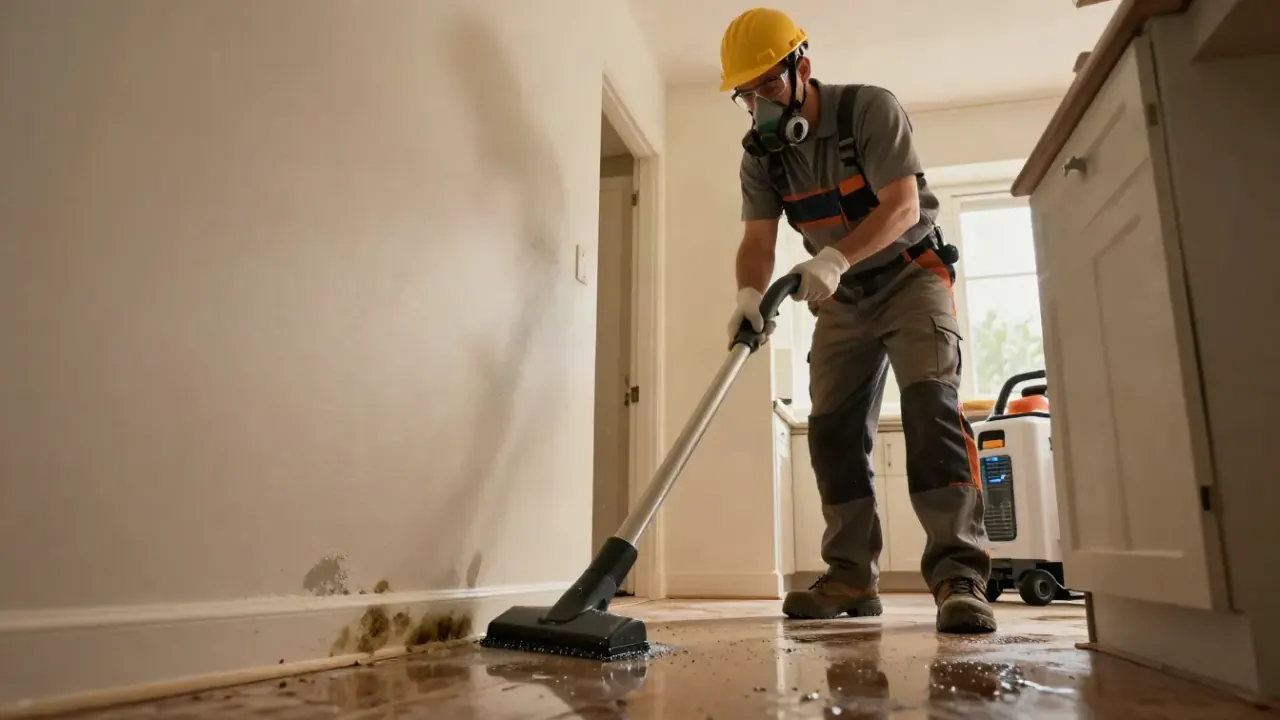
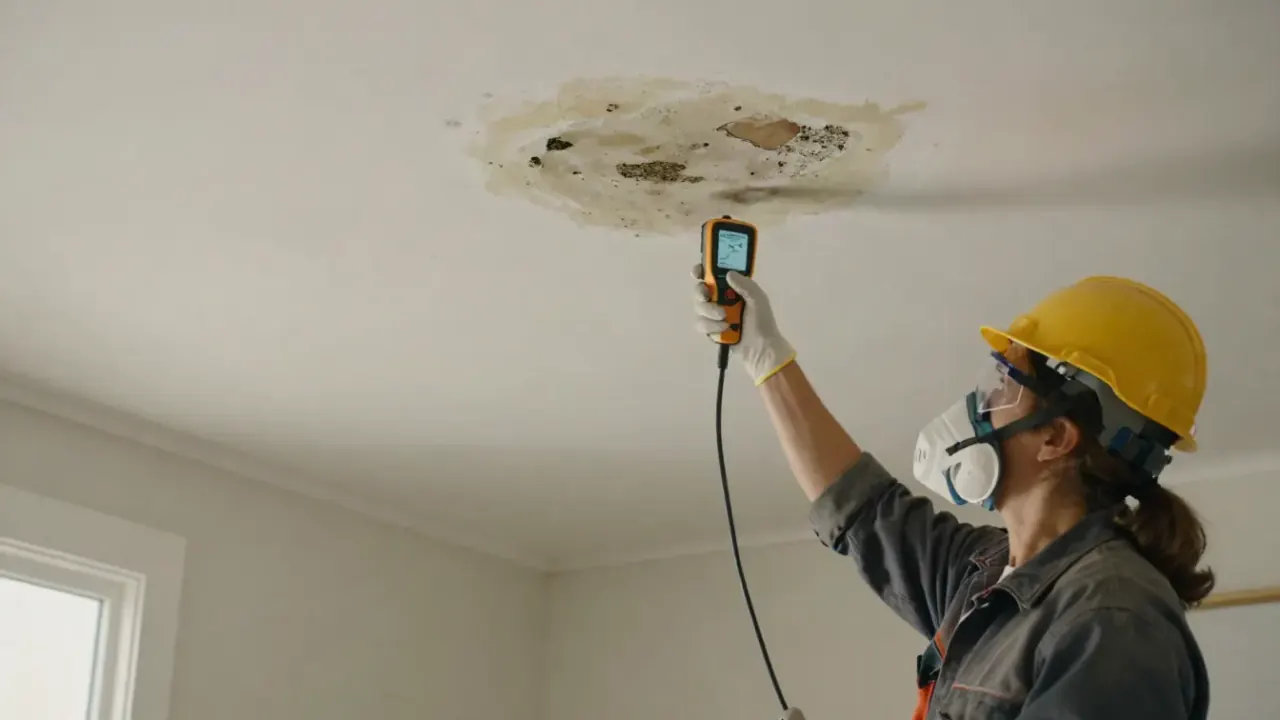
Our IICRC WRT-trained technician walks the property with a moisture meter and thermal imaging camera. We check walls, ceilings, floors, and crawlspaces for hidden moisture. Within about 30 to 45 minutes, we know the scope of the damage and can explain exactly what needs to be dried and why. You get a written scope before we start.
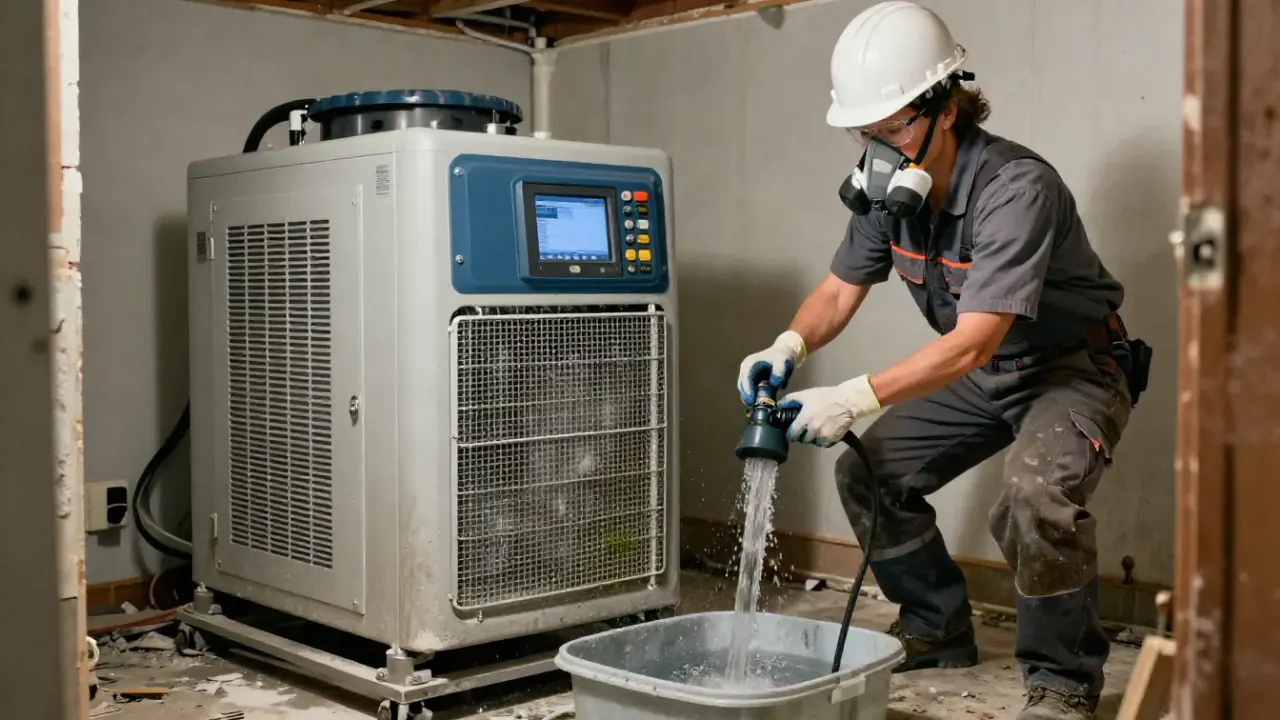
Standing water comes out first. We use truck-mounted water extraction units and portable extractors to pull water from carpet, padding, and hard surfaces. For sewage backup or contaminated water, we follow OSHA 10 safety protocols and apply antimicrobial solution after extraction. This step usually takes one to three hours depending on how much water is present.
We place air movers, dehumidifiers, and negative air machines to create a drying chamber. The exact number of units depends on square footage and how many rooms are affected. We set up a drying goal based on temperature and humidity, then leave the equipment running. Most residential jobs run three to five days of active drying.
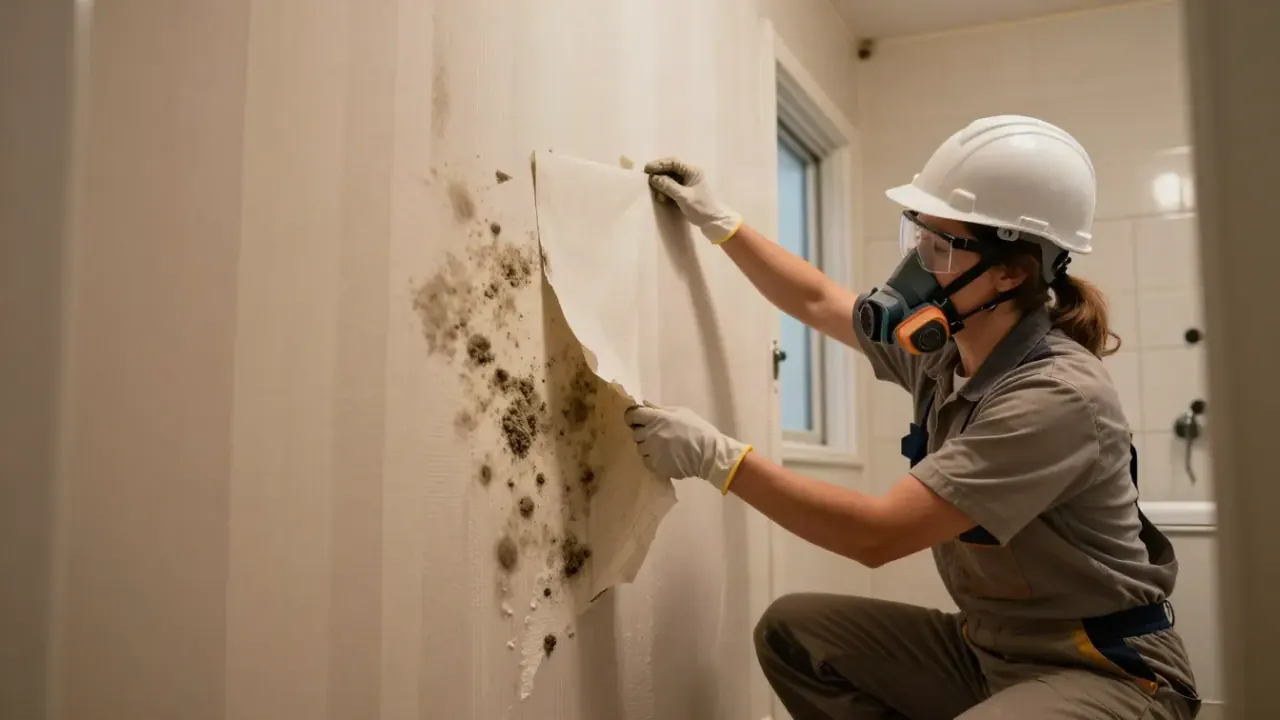
We come back every day to check moisture readings with a hygrometer and moisture meter. We adjust equipment placement as materials dry. When readings match our drying goal, we remove the equipment and do a final walkthrough with you. You get a completion report with before-and-after moisture readings for your records and your insurance claim.
Move across a circle, or focus it and press Enter, for an illustrative thermal view of the photograph.
Detects moisture levels in drywall, wood, and concrete. We use it to map the extent of water damage and track drying progress daily.
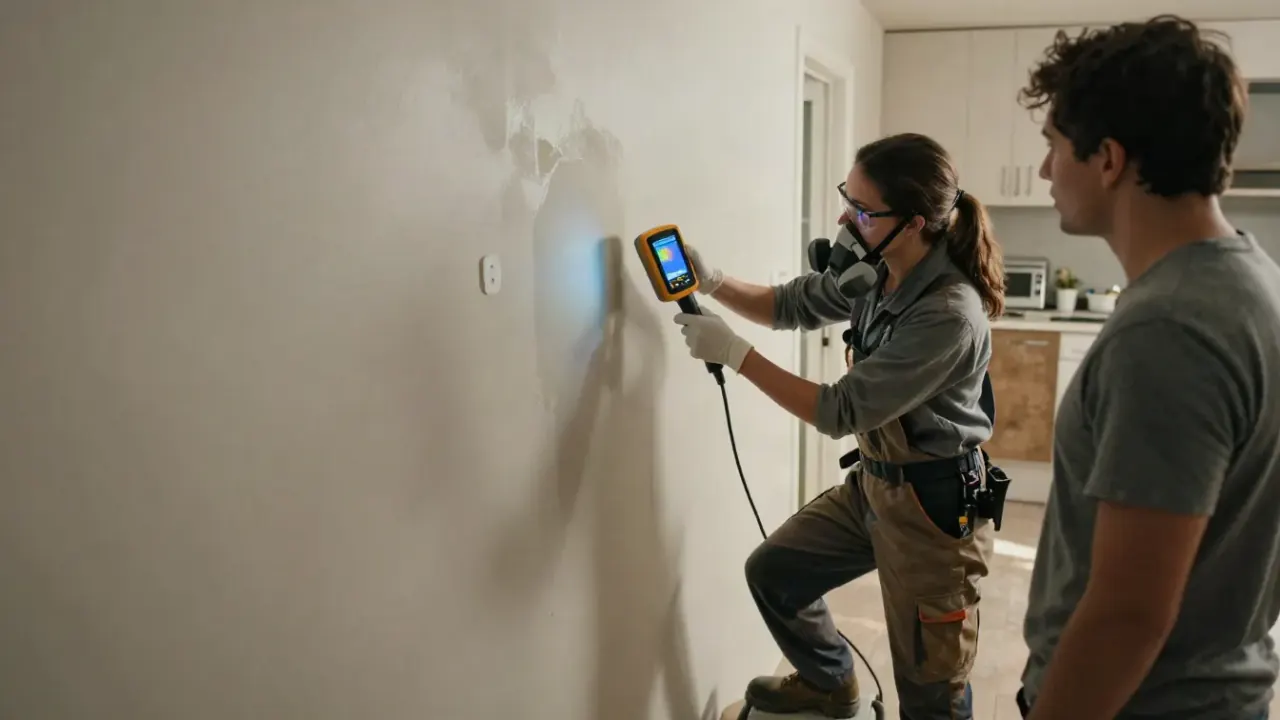
Shows temperature differences that reveal hidden moisture behind walls and under floors. It helps us find water you can't see.
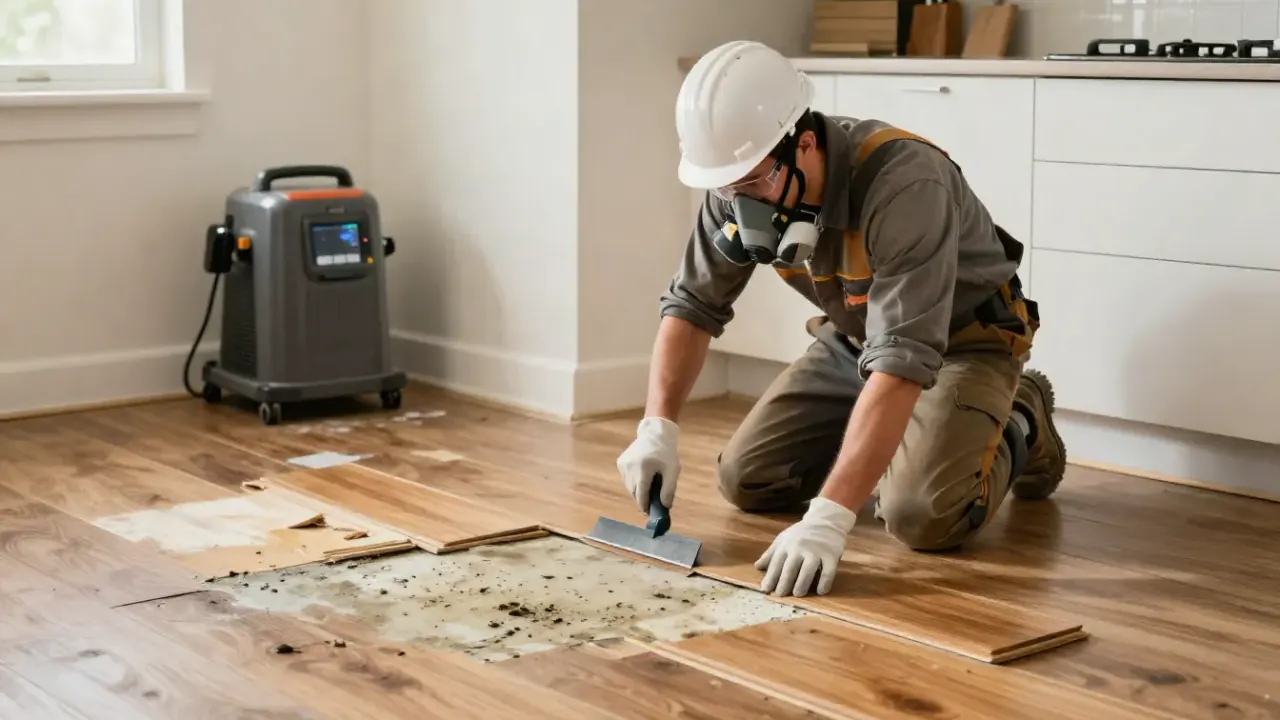
Circulates air across wet surfaces to speed evaporation. We position them based on room layout and moisture readings.
Removes moisture from the air so wet materials can release their water. We size units to the square footage and humidity level.
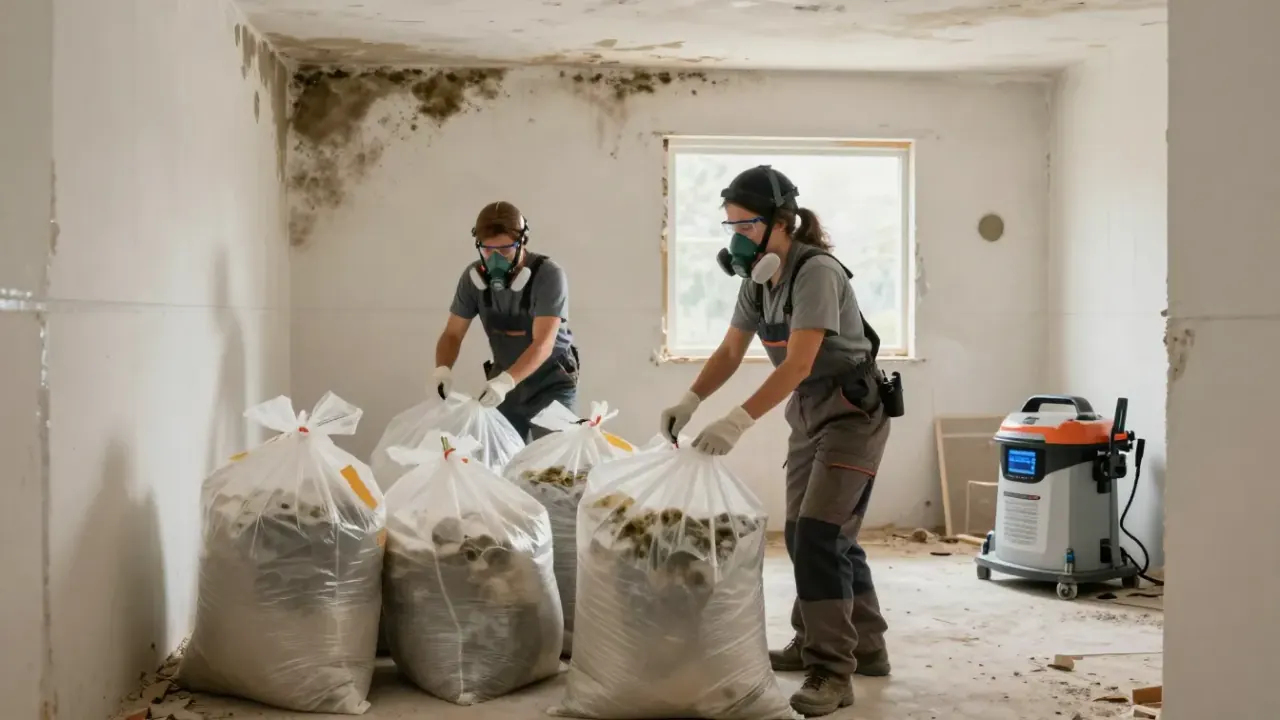
Captures fine dust and mold spores during cleanup. We use it on contaminated jobs and after any work that disturbs materials.
Thermal views are illustrative, generated from the photographs.
Creates negative pressure to contain dust and spores in one area. We use it on sewage backup and mold-related jobs.
Measures relative humidity in the air. We use it to set drying goals and confirm when the environment is dry.
We follow the IICRC ASD standard for applied structural drying. That means we calculate drying goals based on temperature, humidity, and material type, then adjust equipment until readings hit those goals.
We document moisture readings, equipment placement, and daily progress in Xactimate-compatible format. This makes it easier for your insurance adjuster to process the claim without back-and-forth.
We apply antimicrobial solution to high-risk areas after extraction. This is standard on sewage backup, long-standing water, and any job where mold growth is a concern.
On contaminated jobs, we set up containment with negative air machines and HEPA vacuums. This keeps dust and spores from spreading to clean areas of your home or business.
A washing machine supply line bursts while you're at work and floods the laundry room and hallway.
We extract the water, pull up wet carpet padding if needed, and set up air movers and a dehumidifier. We check the walls with a moisture meter to see how far the water traveled.
Outcome: Your laundry room and hallway dry in three to four days, and you avoid mold growth in the walls.
A winter freeze cracks a pipe in your attic, and water runs down through the ceiling into a bedroom.
We inspect the attic and ceiling with a thermal camera, extract water from the carpet, and dry the ceiling drywall and insulation. We also check for roof leak damage that may have contributed.
Outcome: The bedroom and attic dry in four to five days, and you have documentation for your insurance claim.
A sewage backup fills your basement with contaminated water.
We follow OSHA 10 safety protocols, extract the water, remove contaminated materials, and apply antimicrobial solution. Negative air machines and HEPA vacuums contain dust and spores.
Outcome: Your basement is dry and sanitized in five to seven days, and you know it's safe to use again.
A slow appliance leak under the refrigerator soaks the wood subfloor for weeks before you notice.
We use moisture meters to map the affected area, extract water, and dry the subfloor with directed airflow. We check baseboards and drywall for wicking moisture.
Outcome: The subfloor dries in four to six days, and you avoid having to replace the floor.
A commercial building in Downtown Azle has a roof leak that soaks ceiling tiles and office carpet.
We schedule after-hours drying to keep your business running. We use commercial dehumidifiers and air movers, and document everything for your property manager.
Outcome: The office dries in three to five days with minimal disruption to your operations.
Azle sits in Tarrant County where the climate swings from humid summers to occasional hard freezes in winter. That means we see two main types of water damage: storm-related leaks in spring and fall, and burst pipes during winter cold snaps. The building stock varies too. Downtown Azle has older homes with pier-and-beam foundations and original wood subfloor that soaks up water fast.
Azle Heights has more crawlspace construction, which traps moisture and needs directed airflow to dry properly. We also deal with slab leaks in newer construction, where water travels under floors and doesn't show up until the damage is done. If you need structural drying after water damage in Azle, Texas, we know the local conditions that make it tricky.
We check vapor barriers, inspect for foundation water intrusion, and use drying methods that work for Azle's mix of old and new construction.
Before: A pipe burst in the wall behind the kitchen sink and soaked the drywall, baseboards, and wood subfloor. The homeowner called us 18 hours after the leak started. Moisture readings were high in three rooms.
After: We extracted the water, set up air movers and a dehumidifier, and dried the structure in four days. Final moisture readings were within normal range. The homeowner avoided replacing the subfloor and no mold grew.
Keep cabinet doors open under sinks during cold snaps to let warm air circulate. Check supply lines for cracks each fall before the first freeze.
Before: A sewage backup filled the basement with contaminated water. The homeowner couldn't use the space and was worried about health risks. The water had been sitting for two days.
After: We extracted the water, removed contaminated materials, applied antimicrobial solution, and dried the space in six days. Negative air machines kept spores contained. Final readings confirmed the basement was dry and safe.
Have your sewer line inspected every two years if you have mature trees in the yard. Install a backwater valve to prevent future backups.
Before: A storm blew shingles off the roof and water ran down through the attic insulation and ceiling drywall in a bedroom. The homeowner noticed a stain on the ceiling two days later.
After: We inspected the attic with a thermal camera, extracted water from the insulation, and dried the ceiling and framing in five days. We also checked HVAC ducting for moisture. The ceiling was repaired and repainted.
After any major storm, check your attic for water stains or damp insulation. Schedule a roof inspection if you see missing shingles.
Water damage shows up in different ways, but the result is the same: wet materials that will mold if they aren't dried. Here are the most common problems we see and how we fix them.
Dry materials, no mold, documented for insurance.
Mold can start growing in as little as 24 hours after water damage. Our drying and dehumidification Azle, Texas process pulls moisture levels down fast, keeping mold from taking root in your drywall and insulation. We also apply antimicrobial solution to high-risk areas as a second layer of defense.
Wood subfloor and carpet padding act like sponges. If they stay wet, they warp, cup, and delaminate. We use water extraction units and targeted air movers to dry flooring materials quickly, often saving floors that would otherwise need full replacement. That's money back in your pocket.
Prolonged moisture weakens framing, baseboards, and sealant around windows and doors. Our team monitors moisture content daily with hygrometers and moisture meters, so we know exactly when your structure is dry, not just when it looks dry. We don't stop until the readings say it's safe.
We photograph moisture readings, log daily drying progress, and provide the documentation your insurance adjuster needs. If you're filing a claim for structural drying after water damage in Azle, Texas, our reports make the process smoother and help justify the cost of professional equipment.
What a written scope covers and what shapes it. Prices are set by the business after the first look.
Included
Depends on
Clear records you can keep and share.
Readings from affected areas
Progress notes and equipment adjustments
Before and after images
Final moisture readings and sign-off
The category of water determines how we dry and what safety steps we take.
From supply lines, rain, or appliances
From washing machines, dishwashers, or toilets
From sewage, flooding, or standing water
A list like this tells people straight away whether you cover their street. Not listed? Call and ask: it only takes a minute.
Based in Azle and covering the places around it. Pick one for local details.
Most residential structural drying jobs in Azle take three to five days of active drying. Small areas like a bathroom or laundry room can dry in two to three days. Larger jobs involving multiple rooms, crawlspaces, or commercial spaces can run five to seven days. We check moisture readings daily and don't remove equipment until the materials hit our drying goal.
We use air movers to circulate air across wet surfaces, dehumidifiers to pull moisture out of the air, and negative air machines to contain dust and mold spores. We also use moisture meters, thermal imaging cameras, and hygrometers to track progress. For contaminated water, we bring HEPA vacuums and foggers. Brands include Dri-Eaz and Phoenix Restoration.
In most cases, yes. If the water damage is limited to one area and the drying equipment isn't disrupting your daily routine, you can stay. We'll let you know if air quality or safety concerns mean you should relocate temporarily. For sewage backup or mold growth situations, we may recommend staying elsewhere until drying is complete.
Most homeowner's insurance policies cover structural drying when the water damage comes from a covered event like a burst pipe, appliance leak, or storm damage. We provide Xactimate-compatible documentation and moisture logs to support your claim. We work directly with adjusters and can explain what's typically covered before you file.
Other services from the same team.
Water damage gets worse every hour. Call (817) 989-2786 and we'll schedule a same-day inspection. We're local, we're equipped, and we'll tell you exactly what needs to happen to dry your property.
Call us anytime at (817) 989-2786 for emergency service or to schedule an inspection. You can also email info@waterdamageazle.com or stop by our office.